
Backup power in Healthcare: 4 Critical Reasons Your Hospital Can’t Afford to Lose Power
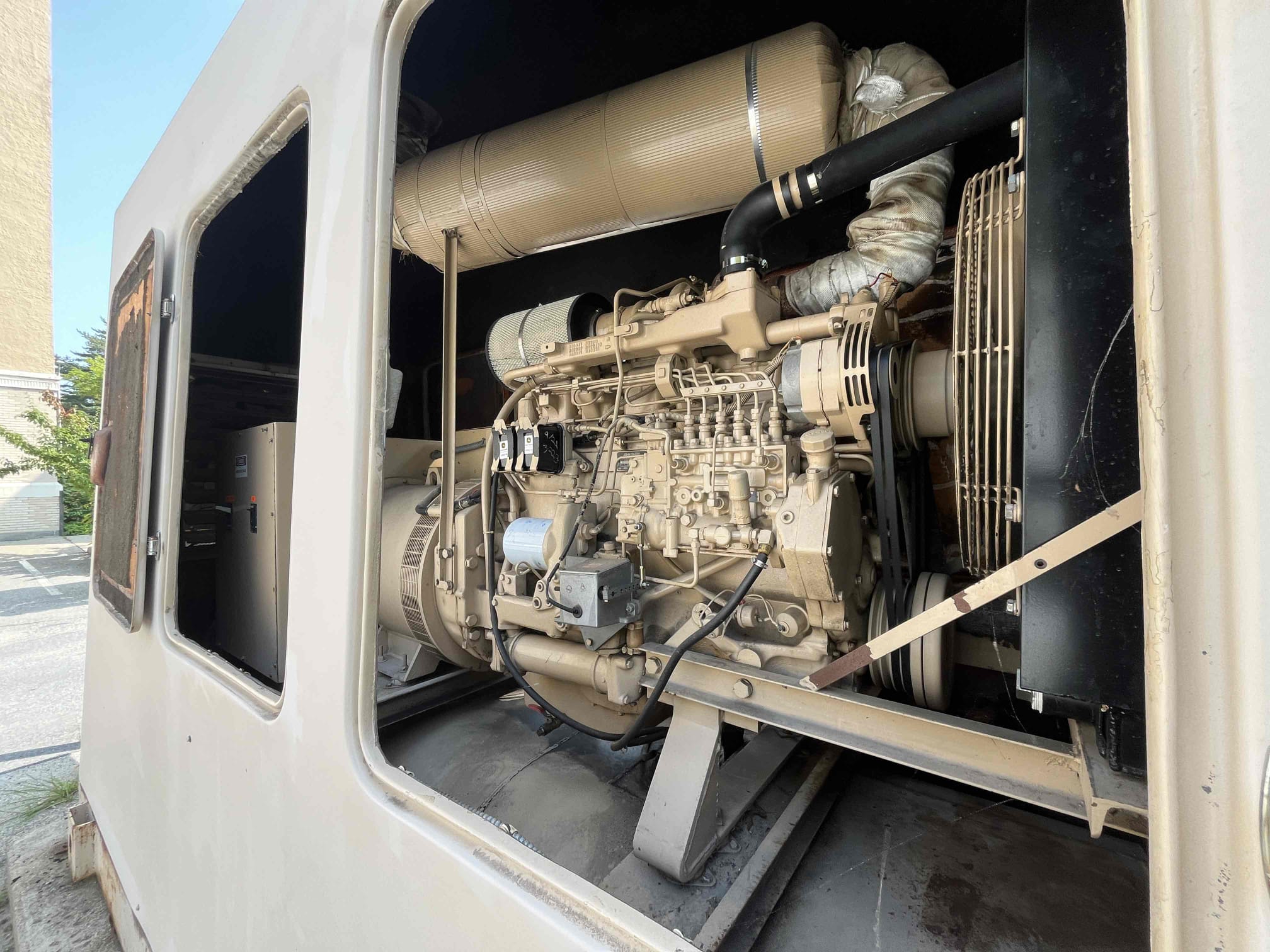
Backup power in Healthcare isn’t just a convenience, it’s a matter of life and death. Hospitals depend on uninterrupted electricity to support critical medical equipment, life-saving treatments, and essential operations. Power outages, whether caused by severe weather, grid failures, or local infrastructure issues, pose significant risks. Backup generators are a vital part of every hospital’s emergency power system, ensuring that patient care is never compromised. In this article, we’ll explore the critical role of backup generators in hospitals and how they safeguard healthcare operations during power outages.
Table of Contents
Why Power Continuity is Crucial for Hospitals
Hospitals operate 24/7 and rely heavily on electricity to power essential equipment and systems. Any disruption in power can lead to:
- Risk to Patient Lives: Life-support equipment, including ventilators, dialysis machines, and monitors, must remain operational at all times. A sudden loss of power can be devastating for patients in intensive care units (ICUs), operating rooms, or emergency departments.
- Delayed Medical Procedures: Surgeries and other critical procedures that require precise timing and use of electronic instruments cannot afford delays caused by power loss.
- Loss of Critical Data: Electronic health records (EHR) and diagnostic systems are essential to hospital operations. A power failure can disrupt access to patient data, leading to medical errors or delayed treatments.
- Safety and Comfort Concerns: Basic hospital functions, such as lighting, climate control, and security systems, depend on reliable power to ensure a safe environment for both patients and staff.
The Role of Backup Generators in Hospitals
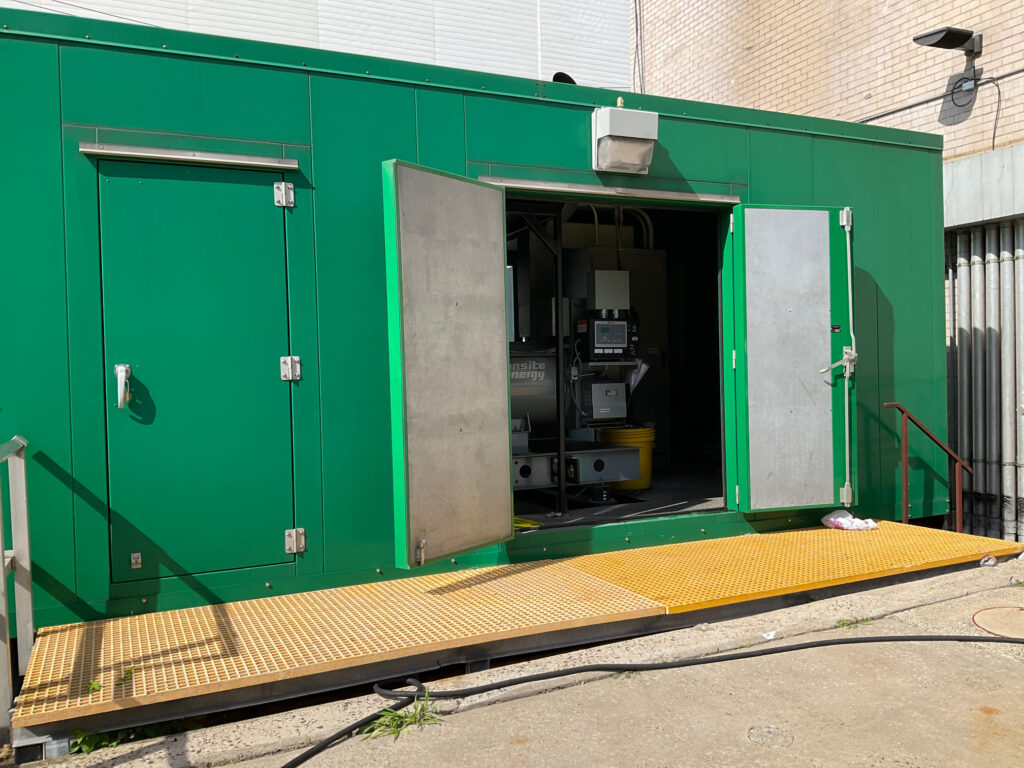
Hospitals have stringent requirements for emergency power, and backup generators are the cornerstone of maintaining operations when utility power fails. Here are the key components of a hospital’s backup power system:
1. Seamless Power Transfer
Hospitals typically use automatic transfer switches (ATS), which instantly detect power loss and switch to generator power without any manual intervention. This quick response ensures that essential systems stay operational without interruption, minimizing the risk of power-related disruptions.
2. Life Safety and Critical Loads
Hospitals categorize their power needs into life safety, critical, and equipment loads. Life safety loads include emergency lighting and fire alarms, while critical loads encompass systems like ICU monitors, ventilators, and medical equipment. Backup systems are designed to prioritize these critical systems during an outage, ensuring that patient care continues smoothly.
3. Redundancy and Reliability
Redundancy is a key element in a hospital’s backup power system. Hospitals often use multiple backup generators configured in N+1 or 2N redundancy, meaning there is always an extra generator or a fully redundant system on standby. This ensures that even if one generator fails, another is available to take over, maintaining continuous power to the facility.
4. Compliance with Regulatory Standards
Backup power systems in hospitals must comply with strict regulations set by organizations such as the National Fire Protection Association (NFPA), Joint Commission on Accreditation of Healthcare Organizations (JCAHO), and Centers for Medicare & Medicaid Services (CMS). These standards dictate requirements for the capacity, maintenance, and testing of backup generators to ensure they are reliable in emergencies.
Types of Backup Generators for Hospitals
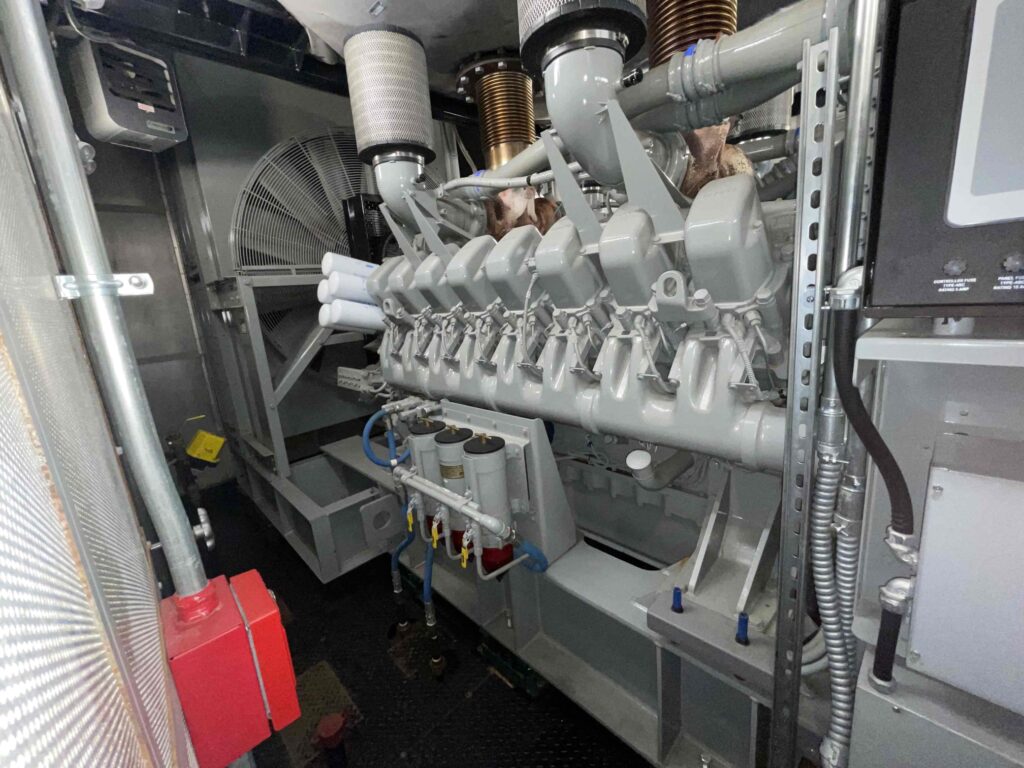
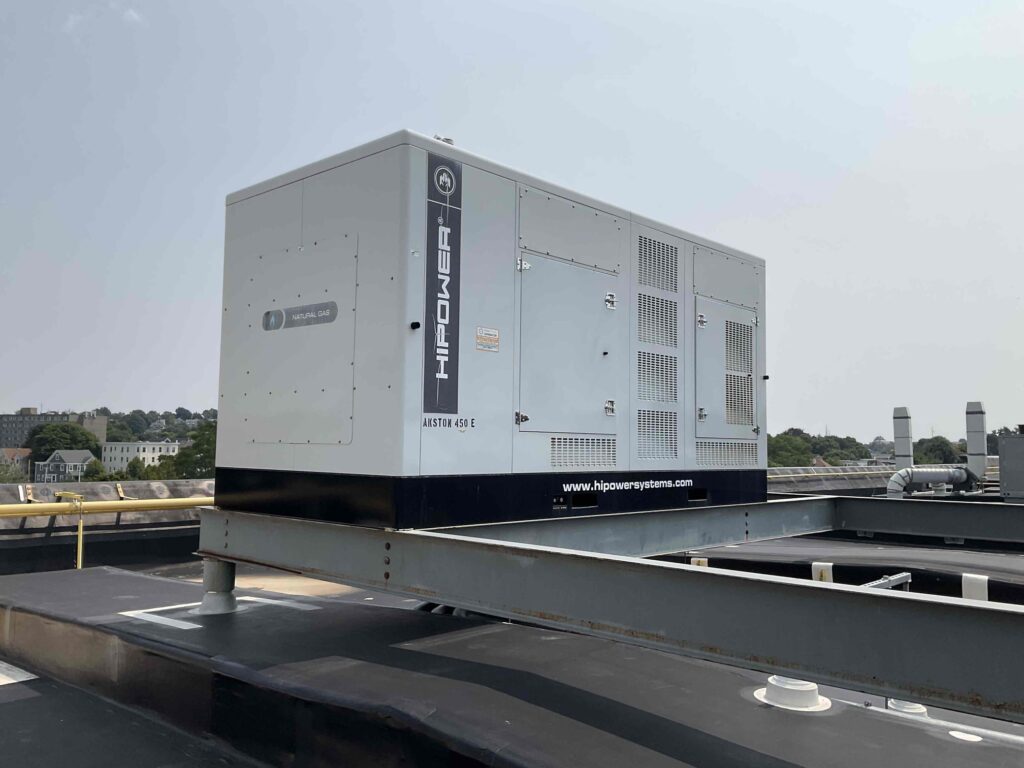
The most commonly used backup generators in hospitals are diesel generators, due to their reliability, high power output, and fast startup time. Some hospitals are exploring natural gas and bi-fuel options to reduce emissions, though diesel remains the standard for critical healthcare applications.
Key Factors When Choosing a Hospital Backup Generator:
- Size and Capacity: Hospitals require large generators capable of supporting complex medical equipment and systems. The generator must be appropriately sized to handle the full load or at least the critical life safety and essential loads.
- Fuel Supply: Ensuring an adequate fuel supply for extended outages is crucial. Diesel generators require regular refueling, and hospitals must have contracts in place to secure emergency fuel deliveries if needed. Additionally, fuel storage must be managed properly to avoid degradation.
- Location and Installation: Generators must be installed in secure locations, often elevated to protect against flooding, with adequate ventilation and noise control to meet local codes.
Regular Maintenance and Testing
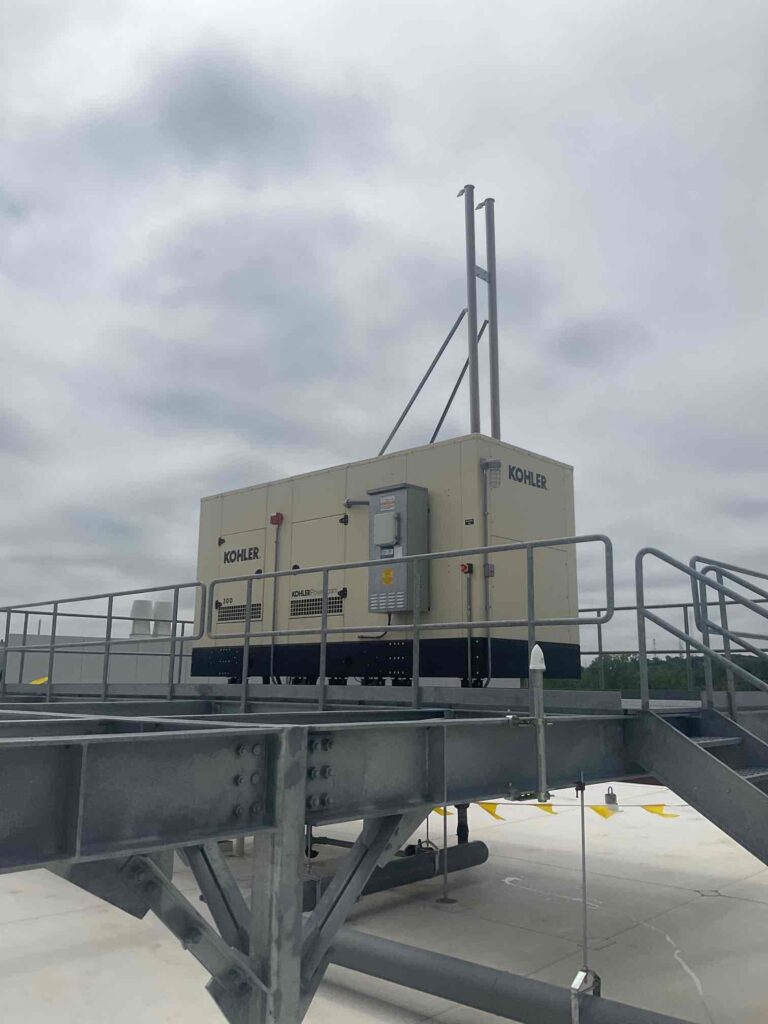
A backup generator is only as reliable as its maintenance plan. Hospitals must perform routine maintenance and testing to ensure their generators are ready to activate in an emergency.
Key Aspects of Generator Maintenance:
- Weekly Testing: Hospitals typically conduct weekly generator tests to confirm readiness. This involves running the generator under no-load conditions to check for any mechanical or electrical issues.
- Load Bank Testing: Load bank tests simulate real-world power demands by running the generator under load. This helps ensure the generator can handle the hospital’s actual power needs during an emergency.
- Fuel Polishing and Sampling: Hospitals must regularly test fuel for contamination and degradation. Diesel fuel can become contaminated over time, impacting the performance of the generator. Fuel polishing services help remove impurities to keep the generator ready for action.
- Battery Testing: Backup generators rely on battery power to start. Hospitals need to regularly test and replace generator batteries to ensure they are fully charged and functional.
The Future of Backup Power in Healthcare
As healthcare facilities grow and the demand for continuous power increases, backup generator systems are evolving to become more efficient and environmentally friendly. Hospitals are exploring renewable energy sources, such as solar power paired with energy storage systems, as well as hybrid generator setups to reduce their carbon footprint. However, diesel and natural gas generators remain the most reliable options for emergency power in the healthcare sector.
Conclusion
Backup generators are a lifeline for hospitals, ensuring uninterrupted power during emergencies when patient lives are at stake. With the right systems in place, hospitals can maintain critical medical services, protect patient safety, and avoid catastrophic consequences caused by power failures. Regular maintenance and adherence to industry regulations are key to ensuring these generators perform when needed.
At Weld Power Generator, we understand the critical role that backup power plays in healthcare. We service over 300 medical facilities in the region, including 40% of the hospitals and nursing homes in Massachusetts. Weld Power offers a full range of generator services, from custom solutions for hospital power needs to ongoing maintenance programs designed to keep your systems in top condition. Contact us today to learn more about how we can support your hospital’s emergency power infrastructure!