
3 Reasons Why a Standby Generator Is Essential: How Heat Waves Cause Power Outages
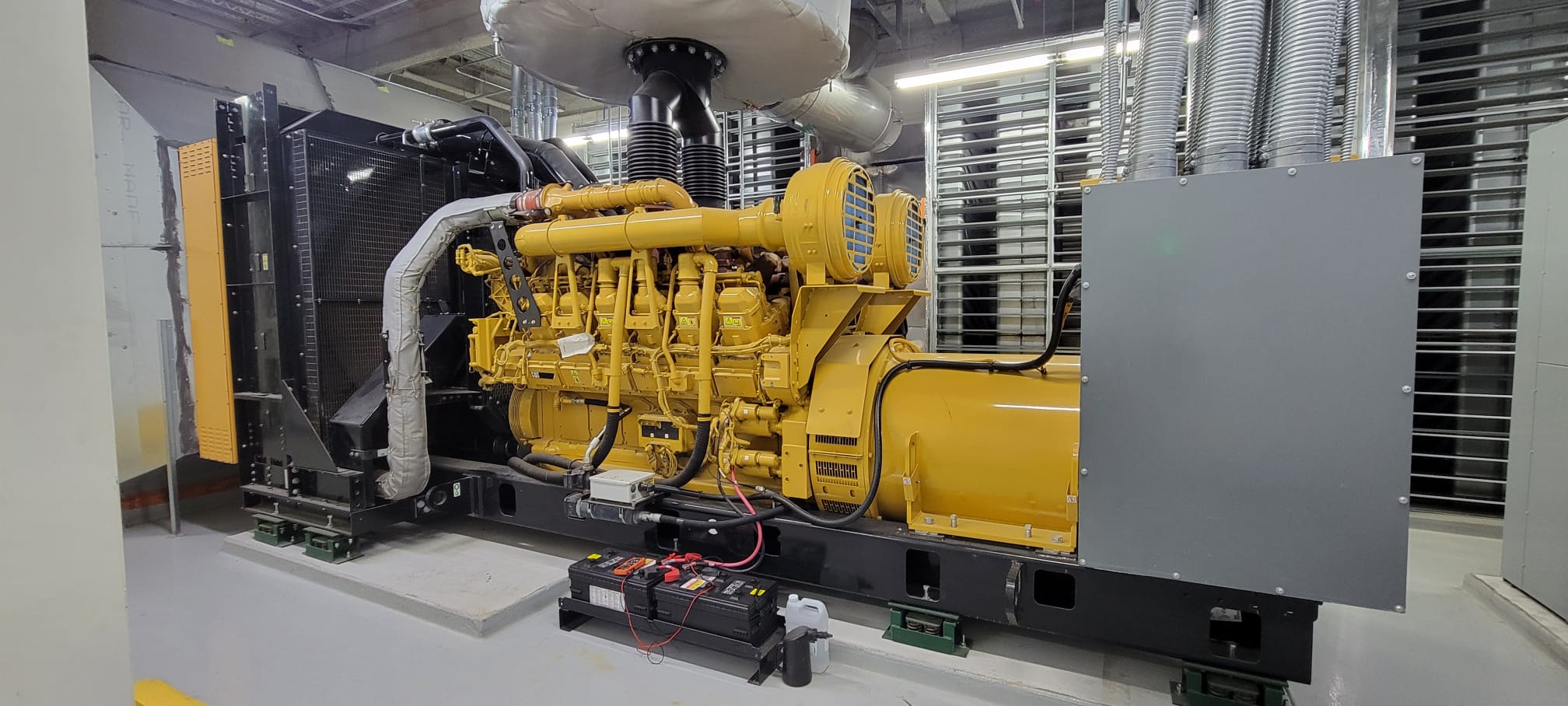
Heat waves are one of the fastest-growing threats to electrical grid reliability in the United States. As extreme temperatures become more frequent and prolonged, power outages during summer months are no longer rare events, they are increasingly predictable. For commercial, industrial, and critical facilities, these outages pose serious operational, financial, and safety risks.
A properly sized and maintained standby generator is one of the most effective ways to protect your facility when extreme heat pushes the power grid beyond its limits.
Table of Contents
Why Heat Waves Overload the Power Grid
During heat waves, electricity demand rises dramatically as air conditioning systems, refrigeration equipment, and cooling processes operate continuously. According to the National Weather Service, extreme heat is a leading cause of weather-related power disruptions because it drives sustained demand over multiple days rather than brief spikes.
When utilities cannot meet this demand, they may initiate:
- Rolling blackouts
- Load shedding
- Voltage reductions
- Emergency conservation alerts
These grid controls help prevent total system collapse, but they still leave facilities without power.
High Temperatures Reduce Power Supply When It’s Needed Most
Extreme heat not only increases demand, it also reduces power generation capacity:
- Gas turbines lose efficiency as hot air becomes less dense
- Thermal power plants struggle to cool equipment effectively
- Transformers and substations overheat under continuous peak loads
This imbalance between supply and demand is a primary driver of summer power outages, especially during multi-day heat events.
Heat Waves Strain Aging Electrical Infrastructure
Much of the U.S. electrical grid was not designed for today’s increased electrical demand. As temperatures rise:
- Power lines sag and trip offline
- Transformers fail due to insulation breakdown
- Protective systems shut down equipment to prevent permanent damage
Grid operators such as ERCOT and California Independent System Operator regularly issue summer reliability alerts, warning that outages are possible, or likely, during extreme heat.
The Real Cost of Heat-Related Power Outages
For commercial and industrial facilities, a loss of power during a heat wave can lead to:
- Production downtime and lost revenue
- Spoilage of refrigerated food, pharmaceuticals, or temperature-sensitive materials
- HVAC failures that create unsafe indoor conditions
- Data loss and system interruptions
- Compliance risks in healthcare, manufacturing, and critical infrastructure environments
In many cases, the financial impact of a single extended outage far exceeds the cost of investing in standby generator.
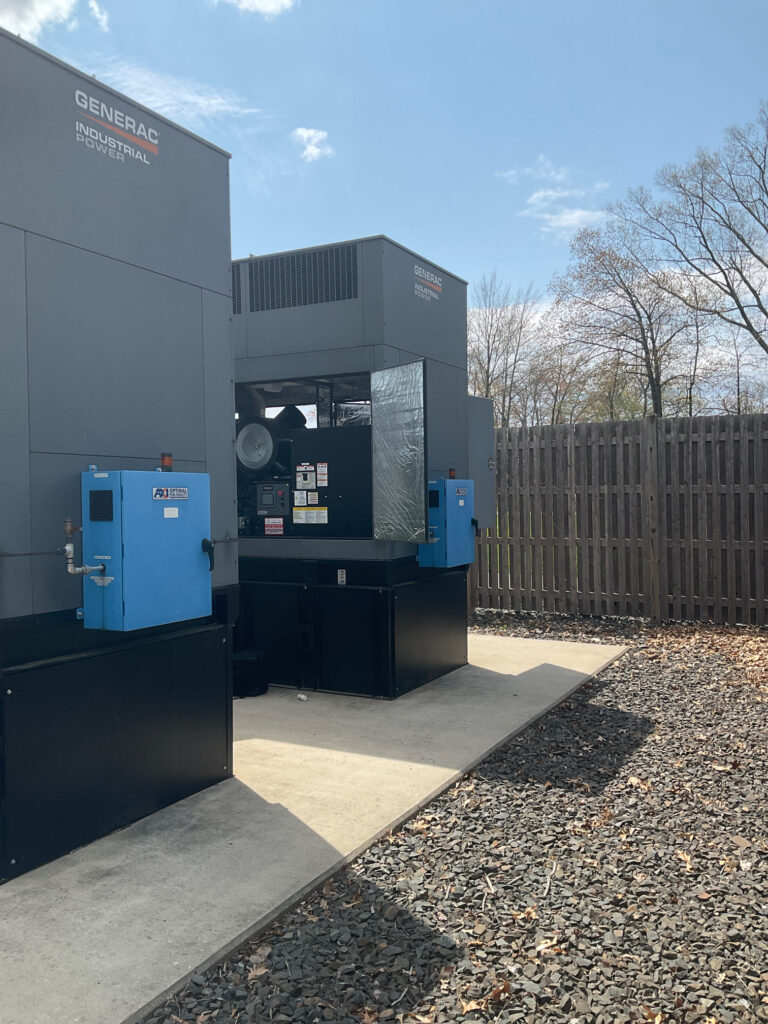
Why a Standby Generator Is Critical During Heat Waves
A commercial standby generator provides immediate, automatic power when the utility fails, regardless of the cause. During heat waves, this means:
- Continuous operation of cooling systems
- Protection against rolling blackouts and load shedding
- Business continuity during peak demand events
- Reduced risk to occupants, equipment, and inventory
Unlike portable solutions, properly sized permanently installed standby generator is designed to carry full facility loads for extended durations, which is essential during multi-day heat events.
Standby Generators Are No Longer Just for Emergencies
Heat waves are predictable. Utilities issue warnings days in advance. In this environment, standby generators are not just emergency equipment, they are a core component of operational resilience.
Facilities that rely solely on the utility grid are increasingly exposed to:
- Repeated summer outages
- Unplanned shutdowns
- Rising operational risk year over year
A standby generator turns a grid failure into a manageable event instead of a crisis.
Preparing Your Facility Before the Next Heat Wave
To ensure reliability during extreme heat:
- Evaluate your facility’s peak summer electrical load
- Confirm generator capacity aligns with critical systems
- Verify fuel quality and run-time capability
- Perform preventative maintenance and load testing
- Test automatic transfer switches before peak season
Proactive preparation ensures your generator performs when the grid cannot.
Final Takeaway: Heat Waves Make Backup Power a Necessity
As heat waves become more intense and more frequent, power outages are no longer hypothetical risks, they are expected outcomes of grid stress. Facilities that invest in standby generators are better positioned to protect operations, people, and assets when extreme heat pushes the electrical system beyond its limits.
Reliable power during a heat wave isn’t a luxury. It’s a requirement.