6 Secrets to Extended Generator Lifespan
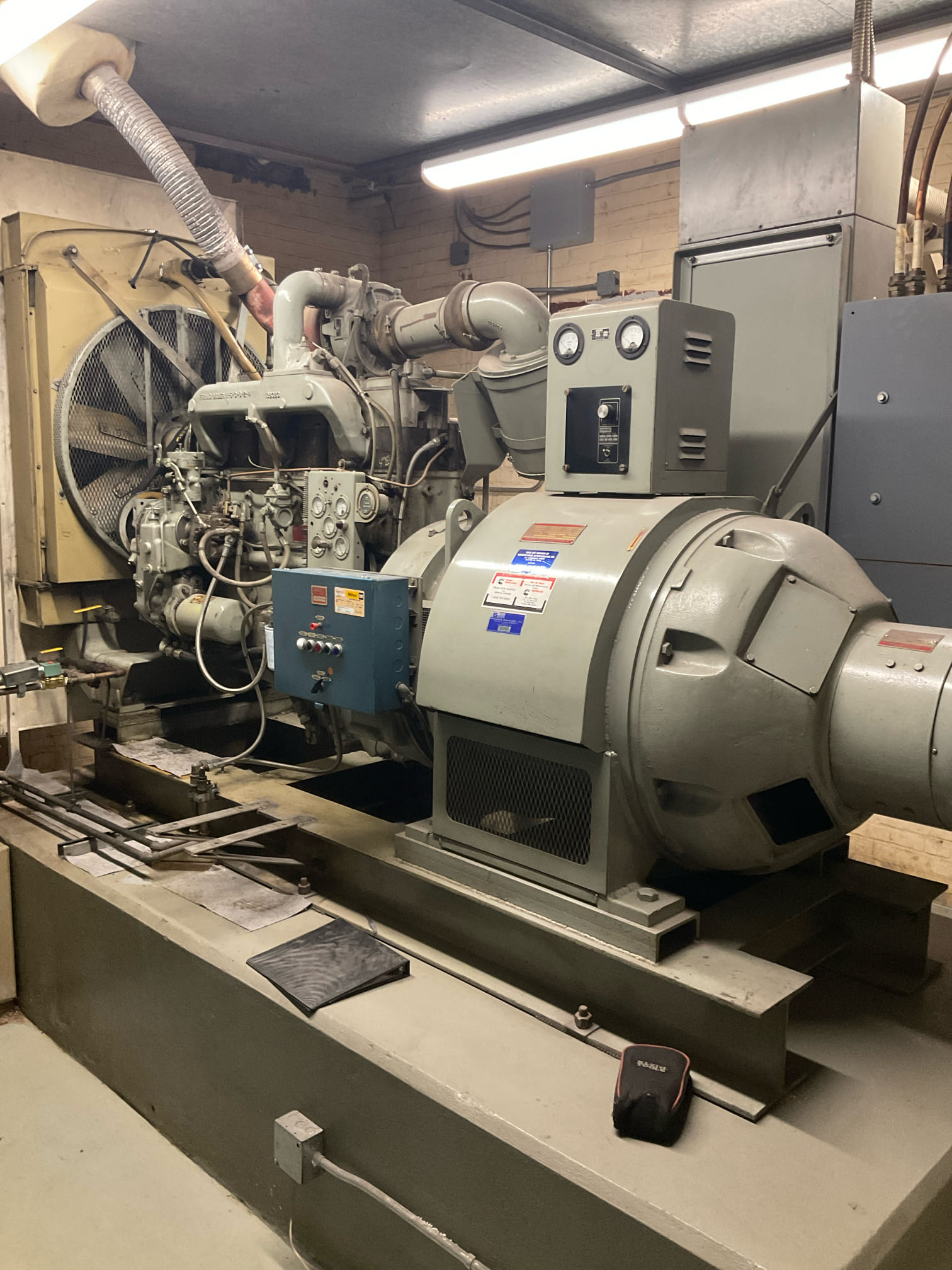
There’s a reason some generators run flawlessly for 30 years while others are sidelined after a decade. It rarely comes down to brand or luck. The generator lifespan often comes down to how the equipment is treated between run cycles, and whether the team responsible for it understands that a generator left sitting idle is not a generator at rest. It’s a generator in slow decline.
At Weld Power Generator, we’ve been servicing commercial and industrial power systems across New England since 1951. We’ve seen what separates the generators that become long-term assets from those that become costly liabilities. Here’s what we’ve learned about extending generator lifespans.
Table of Contents
Exercise Your Generator Regularly, And Do It Right
A standby generator that sits unused for months is one of the fastest paths to premature failure. Fuel degrades. Batteries lose their charge. Rubber seals dry out. Bearings corrode. The machine that was supposed to protect you in an emergency quietly loses its ability to do so.
The solution is regular, loaded exercise runs, typically monthly, for a minimum of 30 minutes with a load. Unloaded “no-load” runs may seem sufficient, but they don’t generate enough heat to burn off moisture and combustion byproducts from cylinder walls and exhaust systems. Over time, this leads to wet stacking in diesel generators: a buildup of unburned fuel and carbon deposits that degrades performance and accelerates engine wear.
Best practice: Schedule annual building load testing or load bank testing to ensure your generator exercises at 25–30% of its rated capacity or higher. This will improve reliability and extend the generator lifespan.
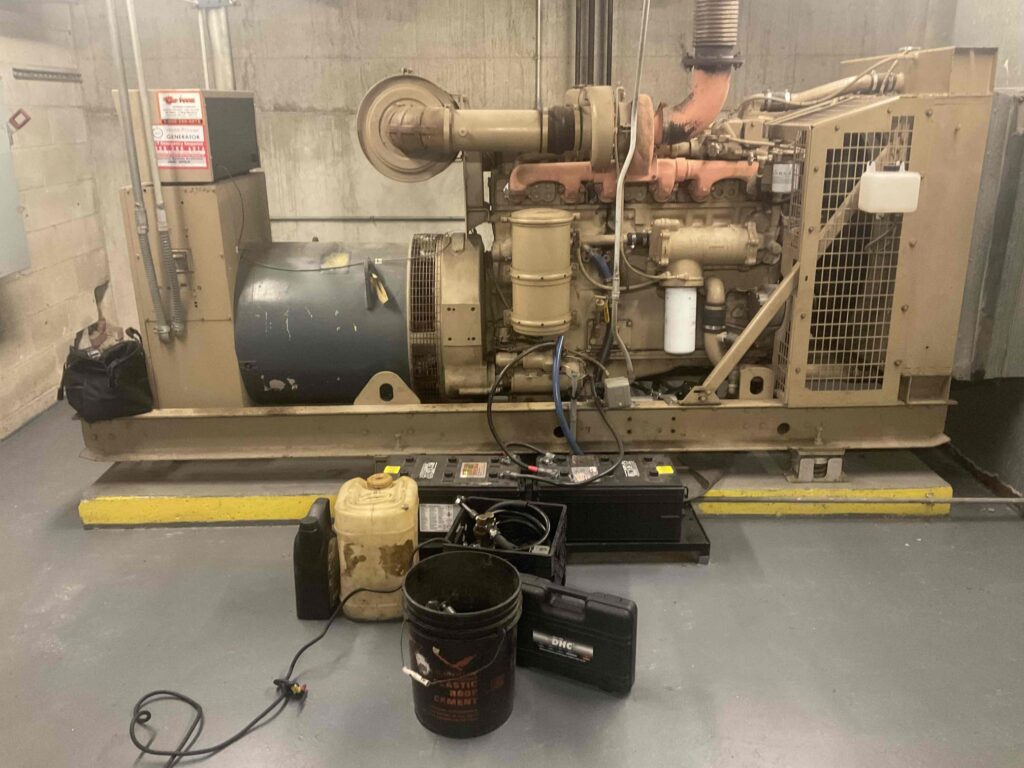
Follow a Preventative Maintenance Schedule to Extend Generator Lifespan
The most expensive generator repairs are almost always the ones that could have been caught at a routine inspection. A frayed belt, a coolant leak, a battery showing low cranking amps, these are minor issues that announce themselves well in advance of failure, if someone is looking.
A comprehensive preventative maintenance (PM) program for a commercial generator should include:
- Fluid checks and changes: Engine oil, coolant, and fuel filters degrade over time regardless of runtime hours. Establish calendar-based change intervals, not just hour-based ones.
- Battery testing: Generator batteries are a leading cause of failure during actual emergencies. Test batteries at every PM visit and replace them proactively typically every 2-3 years.
- Belts and hoses: Inspect for cracking, fraying, or tension issues. These are inexpensive components whose failure can stop an engine cold.
- Air and fuel filtration: Clogged filters restrict airflow and fuel delivery, forcing the engine to work harder and wear faster.
- Cooling system service: Flush and replace coolant on the manufacturer’s recommended schedule (typically every 2-3 years). Inhibitor depletion leads to internal corrosion that is expensive to reverse.
- Transfer switch inspection: The generator is only half the system. The automatic transfer switch (ATS) must be inspected, exercised, and tested as part of every PM program.
Commercial generators should have preventative maintenance performed at least once every 6 months. More frequent inspections are recommend for mission-critical and life safety generators. Frequent inspections allow issues that catch potential issues early extend the generator lifespan.
Don’t Ignore Your Fuel
Diesel fuel has a shelf life. In as little as six to twelve months, untreated diesel can begin to degrade, oxidizing, forming gums and varnish, and encouraging microbial growth in the presence of water contamination. The result is fuel that won’t burn cleanly, that clogs filters and injectors, and that can cause a generator to fail to start or run erratically under load.
For facilities with large fuel storage tanks, a proactive fuel management program is essential:
- Fuel Sampling: Testing the fuel on a regular basis to ensure quality
- Fuel polishing: Regularly circulate stored fuel through filtration to remove water, sediment, and microbial contamination.
- Fuel stabilizers and biocides: Use appropriate chemical treatments to extend fuel life, especially for seasonal or infrequently used systems.
- Tank inspections: Check for water accumulation at the bottom of tanks, a common entry point for microbial growth.
- Fuel delivery tracking: Know your fuel age. If stored fuel has been sitting for more than 12 months without treatment, have it tested or replaced before it tests you.
Many generator failures during actual power outages are fuel-related. Clean fuel is an investment in the reliability your generator was purchased to provide. Repairs after running bad fuel through the generator can be extremely costly
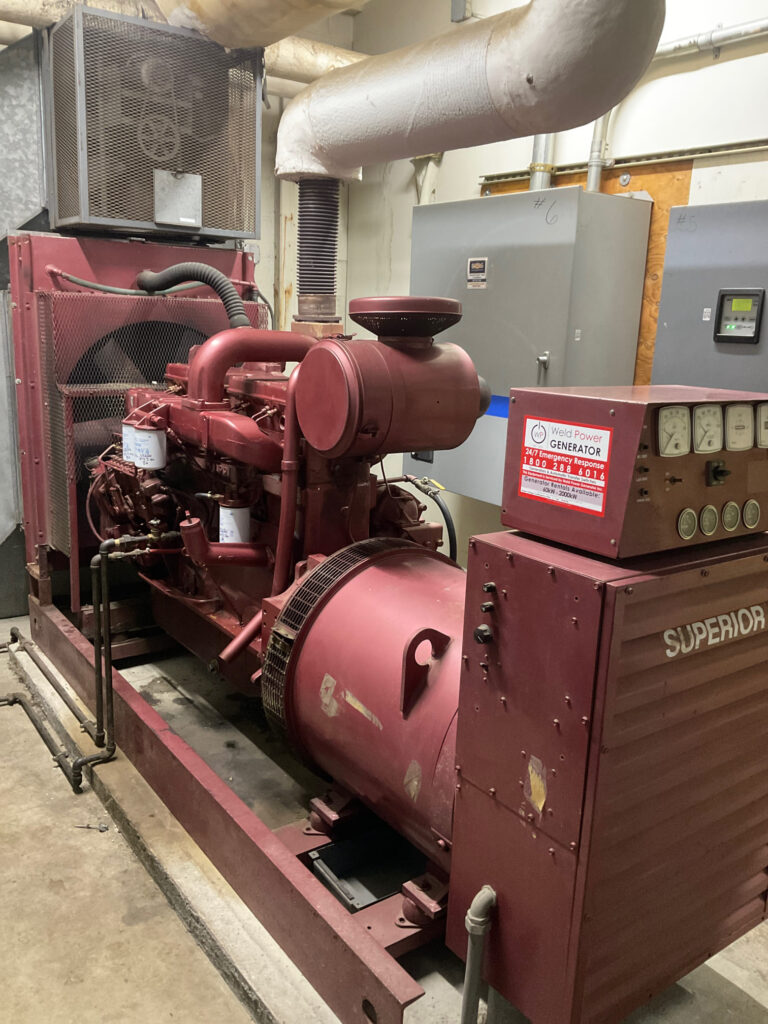
Address Small Problems Before They Become Large Ones
A generator emitting unusual exhaust, running rough, or taking longer than normal to reach operating speed is telling you something. The instinct to defer investigation, especially when the unit is technically still running, is understandable, but costly.
Minor issues compound. A small coolant leak leads to overheating. An underperforming injector increases combustion stress on surrounding components. A battery that barely passes a load test will fail the next one, possibly during an actual emergency.
Build a culture of rapid response to generator anomalies. Train facility staff on what normal looks, sounds, and smells like for your specific equipment. Log every observation. When something changes, act on it quickly rather than waiting for the next scheduled PM, this will significantly extend the generator lifespan.
Avoid Both Overloading and Underloading to Extend the Generator Lifespan
Generators are designed to operate efficiently within a specific load range, typically 70–80% of rated capacity. Consistently running a generator below 30% of its rating causes the same wet stacking problems mentioned earlier. Consistently pushing it above its rated capacity accelerates wear on virtually every major component.
If your facility’s load requirements have grown significantly since the generator was installed, a capacity review is warranted. Similarly, if a downsizing or process change has left you with significantly more generation capacity than you use, consider whether supplemental load bank testing is appropriate to keep the engine properly exercised.
Partner With a Service Provider Who Knows Your Equipment
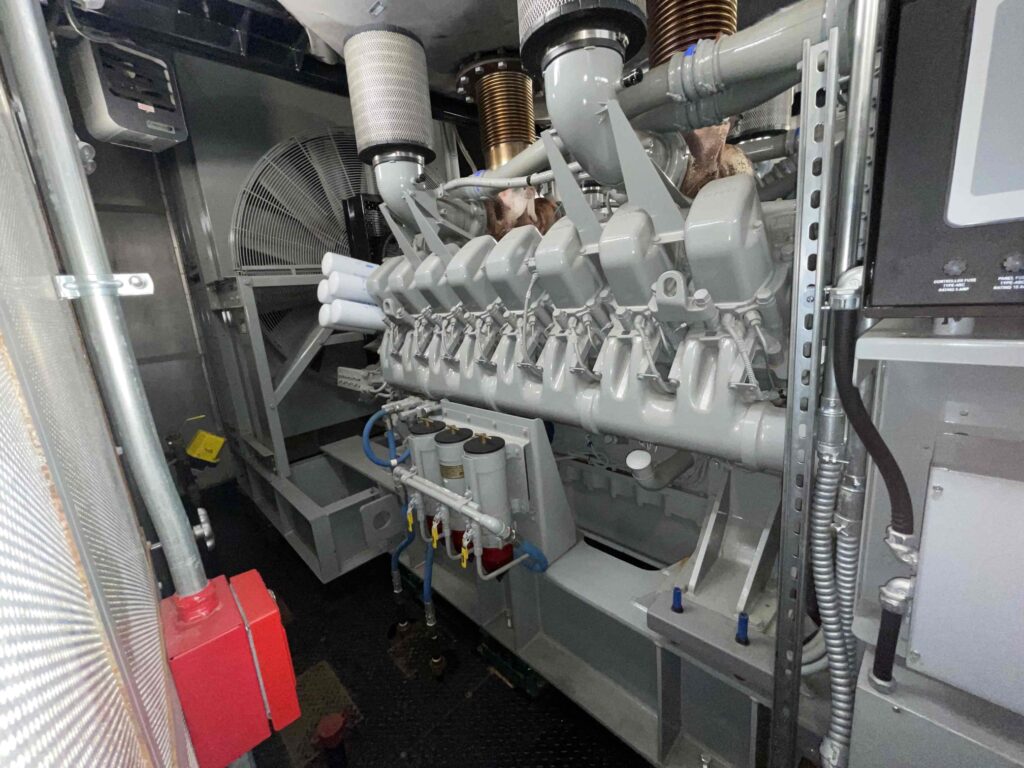
Not all generators are alike, and not all service providers are either. Manufacturers like Caterpillar, Cummins, Kohler, MTU, and others each have specific service requirements, OEM parts specifications, and performance parameters that matter. A technician who services all makes and models, and does so regularly, brings a different level of diagnostic capability than those who are only trained on one type of generator.
At Weld Power, our trained technicians service generators across a wide range of manufacturers and applications, from small commercial standby units to large paralleled systems serving hospitals, data centers, and municipal facilities. We carry parts inventory, offer 24/7 emergency response, and build long-term relationships with our customers because we know that generator reliability is rarely the result of a single visit, it’s the result of consistent, knowledgeable attention over time.
The Bottom Line – Extended Generator Lifespan
A well-maintained commercial or industrial generator is one of the most reliable pieces of capital equipment you’ll own. These machines are built to last, and maximizing generator lifespan comes down to how consistently they’re treated as the critical infrastructure they are. Regular exercise, disciplined preventative maintenance, clean fuel, and prompt attention to anomalies are not extraordinary measures. They’re the baseline for protecting your investment and ensuring your facility has the power it needs when the grid cannot provide it.
If it’s been more than a year since your generator received a thorough inspection, or if you don’t have a documented PM program in place, now is the right time to change that.
Contact Weld Power Generator for a preventative maintenance visit and to extend your generator lifespan. We serve commercial and industrial customers throughout Massachusetts, Connecticut, Rhode Island, New Hampshire, Vermont, Maine, New York, New Jersey, and parts of Pennsylvania.