Generator Engine Overhauls: A Cost-Effective Solution for Extending Generator Life
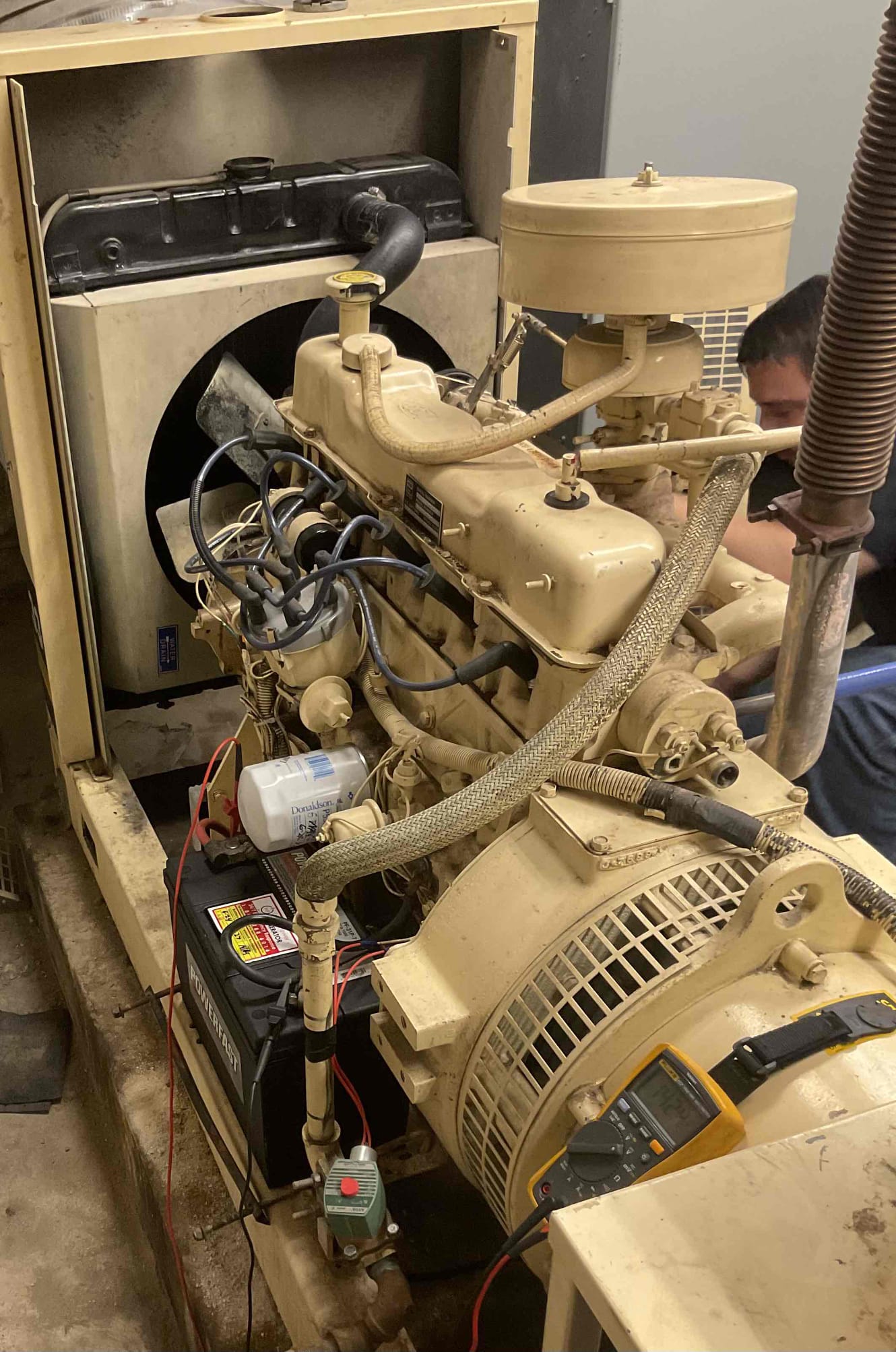
Generator engine overhauls play a critical role in maintaining reliable backup power for commercial and industrial facilities. Hospitals, data centers, manufacturing plants, utilities, and municipal operations depend on standby generators to operate during utility outages. Over time, even well-maintained generator engines experience internal wear that can compromise performance and reliability.
A professionally executed generator engine overhaul can restore engine performance, extend service life, and delay the need for full generator replacement, often at a significantly lower cost.
Table of Contents
What Is a Generator Engine Overhaul?
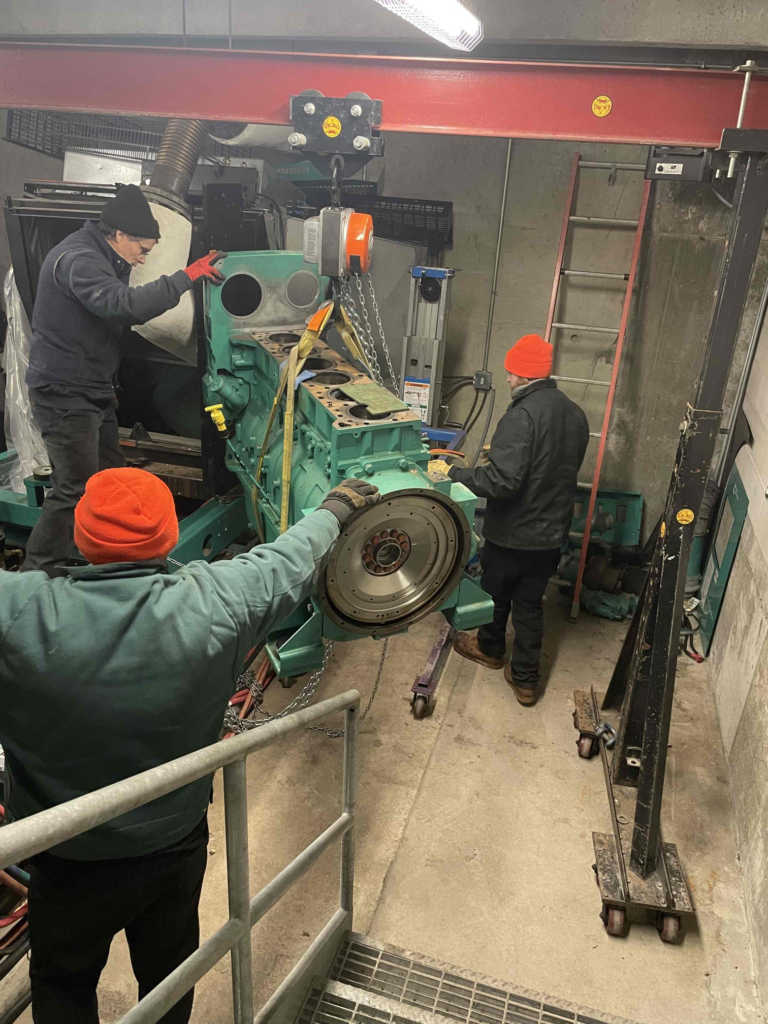
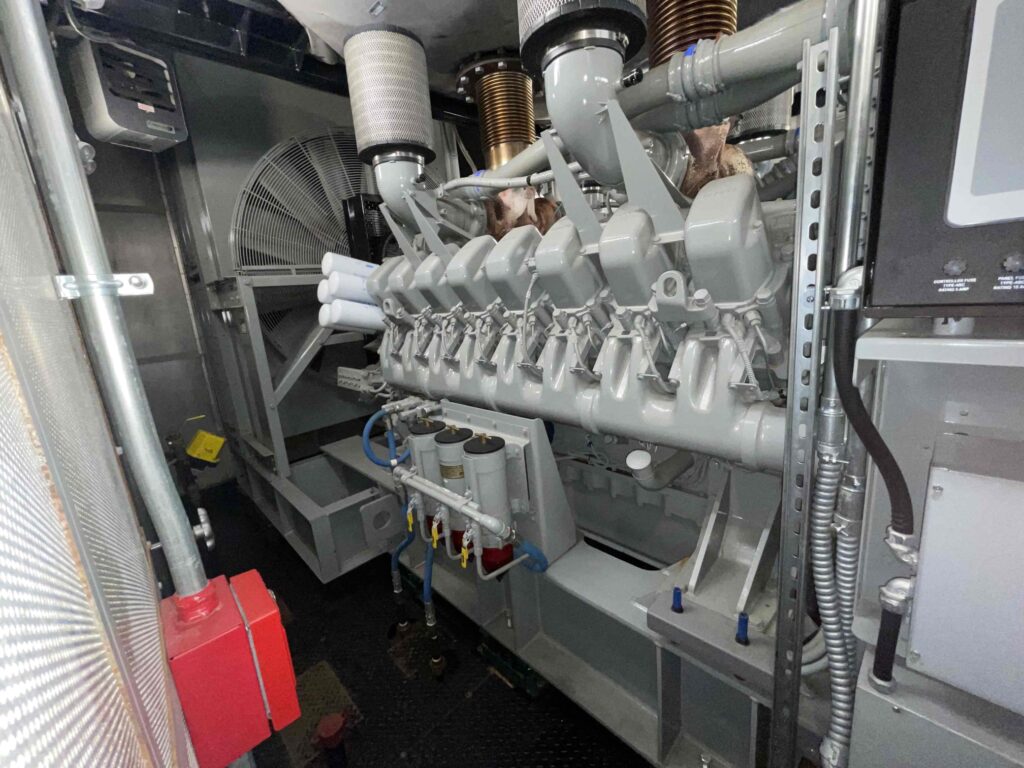
A generator engine overhaul is a comprehensive mechanical restoration that addresses internal engine wear. Unlike routine generator maintenance or minor repairs, an overhaul involves partial or full disassembly of the engine to inspect, repair, or replace critical components.
A typical generator engine overhaul may include:
- Engine disassembly and internal inspection
- Replacement or reconditioning of pistons, liners, rings, and bearings
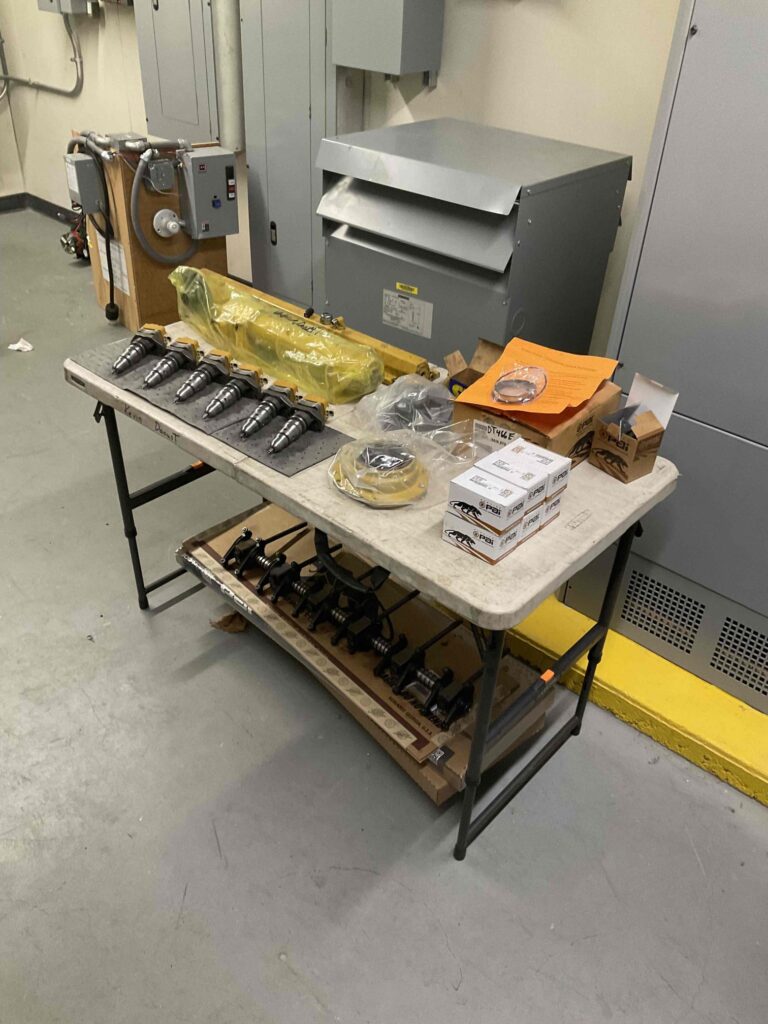
- Cylinder head rebuilding, including valves and fuel injectors
- Inspection or replacement of oil pumps, water pumps, and turbochargers
- Engine reassembly to OEM specifications
- Post-overhaul testing and load bank testing
The objective is to return the engine to reliable operating condition while maintaining the existing generator system.
When Is a Generator Engine Overhaul Needed?
Generator overhauls are usually recommended based on engine hours, condition assessments, and performance indicators, rather than a single mechanical failure.
Common signs that a generator engine overhaul may be required include:
- High engine hours approaching manufacturer overhaul intervals
- Poor performance during load testing
- Excessive oil consumption or low oil pressure
- Abnormal exhaust smoke or elevated emissions
- Metal contamination identified through oil analysis
- Repeated mechanical failures despite preventive maintenance
Scheduling an overhaul proactively helps facilities avoid unexpected generator failures during utility outages.
Generator Engine Overhaul vs. Generator Replacement
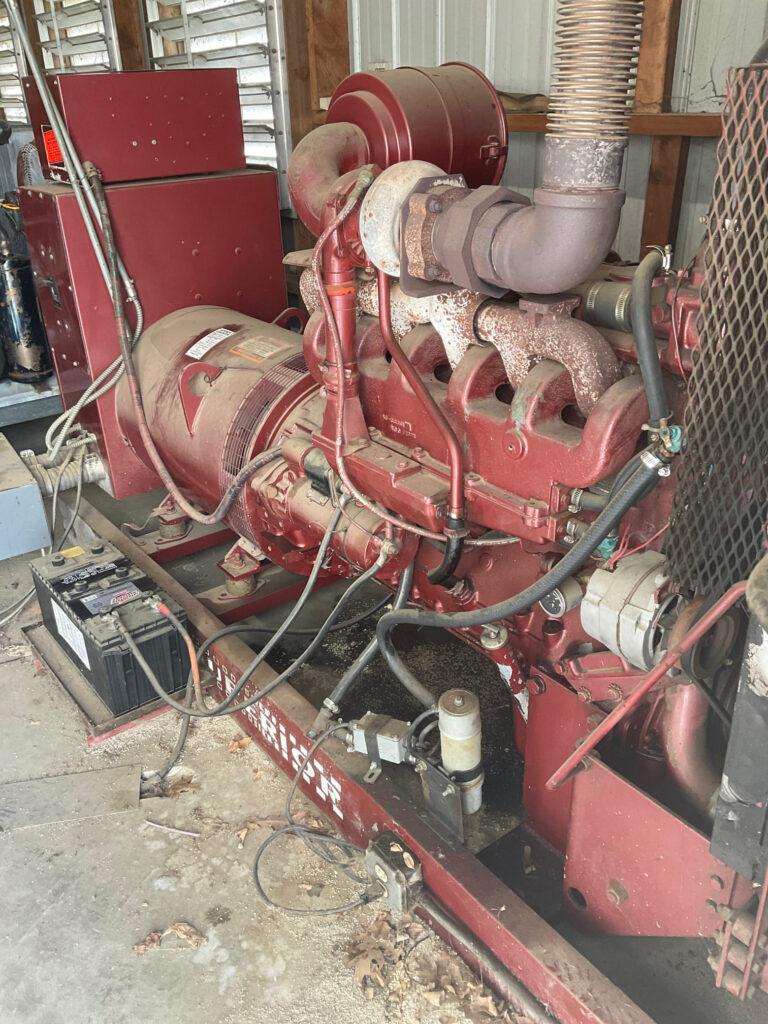
Facility managers often evaluate whether to overhaul a generator engine or replace the generator entirely. Each option has advantages depending on system condition and operational needs.
When a Generator Engine Overhaul Makes Sense
- Generator alternator, enclosure, and controls are in good condition
- Replacement parts are readily available for the engine model
- Facility load requirements have remained stable
- Capital budgets favor extending existing assets
- Permitting constraints or current electrical code requirements make generator replacement complex and cost-prohibitive.
When Generator Replacement May Be the Better Option
- Engine or controls are obsolete or unsupported
- The generator is improperly sized for current loads
- Multiple major components are nearing end-of-life
- The generator can be replaced without requiring additional electrical or structural upgrades.
A professional generator assessment can help determine the most cost-effective long-term solution.
Benefits of Generator Engine Overhauls
A properly planned generator engine overhaul offers several operational and financial advantages:
- Extended Generator Life – Adds years of dependable service
- Lower Capital Cost – Typically less expensive than generator replacement
- Improved Reliability – Restores engine performance under load
- Reduced Emergency Repairs – Minimizes unplanned downtime
- Asset Optimization – Maximizes return on existing generator investments
- Time Frame – Overhauls can typically be complete much faster than installing a replacement generator
For mission-critical facilities, these benefits directly support uptime and resilience.
Conclusion: Engine Overhauls as a Strategic Generator Lifecycle Solution
Generator engine overhauls are a proven strategy for extending the life of commercial and industrial backup power systems. When performed proactively, an overhaul can restore reliability, control costs, and prevent unexpected failures during critical outages.
Rather than viewing engine overhauls as a last resort, facilities should incorporate them into long-term generator lifecycle planning to protect operations, safety, and continuity.