From Manual Checks to Remote Monitoring: The Evolution of Generator Oversight Over Our 75 Years
Seventy-five years is a long time in any industry. But in the world of power generation, seven and a half decades represent a transformation so profound that the technicians of our earliest days would barely recognize the work being done today. At Weld Power Generator, we’ve had a front-row seat to every chapter of that story.
As we mark 75 years of service, we want to take a moment to look back at how generator oversight has evolved, from the grease-stained logbooks of the 1950s to the real-time remote monitoring dashboards of today. It’s a story about technology, yes, but more than that, it’s a story about reliability, trust, and the relentless pursuit of uptime.
Table of Contents
The Early Days: Eyes, Ears, and Intuition (1950s–1970s)
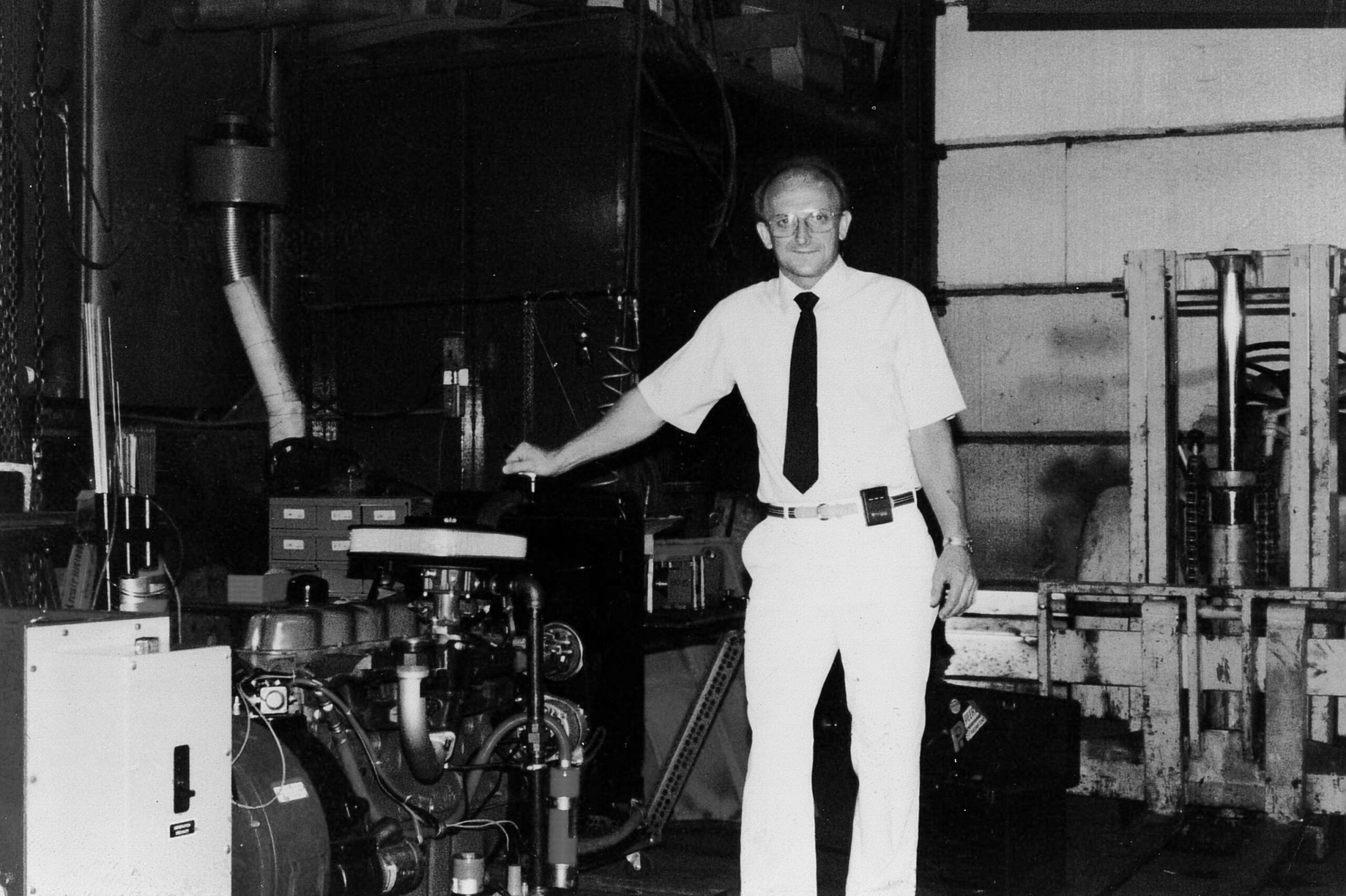
When Weld Power Generator first opened its doors, generator management was a fundamentally human endeavor. A rolodex was used to keep track of when maintenance services were due. Technicians checking oil pressure gauges by eye, listening for irregular engine rhythms, and placing a hand on a housing to feel for unusual heat or vibrations. Maintenance logs were handwritten, filed in manila folders, and reviewed periodically.
It sounds primitive by today’s standards, but don’t underestimate the skill involved. The best technicians in those early years were craftsmen in every sense of the word. They had an encyclopedic knowledge of the machines in their care, and they could diagnose a developing fault from the subtle change in an exhaust note or a faint vibration underfoot. Experience was the only monitoring system that mattered.
The limitations of this approach, however, were real. Human attention has gaps. Overnight shifts, fatigue, and the simple fact that a technician can only be in one place at a time meant that problems could develop undetected between rounds. An unplanned outage wasn’t a failure of effort, it was often just a failure of timing.
Analog Instruments and Scheduled Maintenance (1970s–1980s)
The 1970s brought greater standardization to the industry and a growing appreciation for preventive maintenance as a discipline. Panel-mounted analog instruments became more sophisticated, giving operators a clearer window into voltage output, coolant temperature, oil pressure, and load levels. Scheduled maintenance programs, with defined intervals for oil changes, filter replacements, and load bank testing, began replacing the more reactive “fix it when it breaks” mindset of earlier decades.
At Weld Power Generator, this era shaped a culture that still defines us today: the belief that consistent, proactive care prevents the failures that hurt businesses most. We invested in training, in documentation, and in building maintenance relationships that went beyond the transactional. Our customers weren’t just buying a service call, they were buying peace of mind.
The downside of the analog era was that all that data stayed local. A gauge reading taken at 10 a.m. told you nothing about what happened at 3 a.m. Trend analysis was possible, but it required manual data entry and a disciplined logging habit that not every facility could sustain.
The Digital Revolution: Data Logging and On-Board Diagnostics (1990s–2000s)
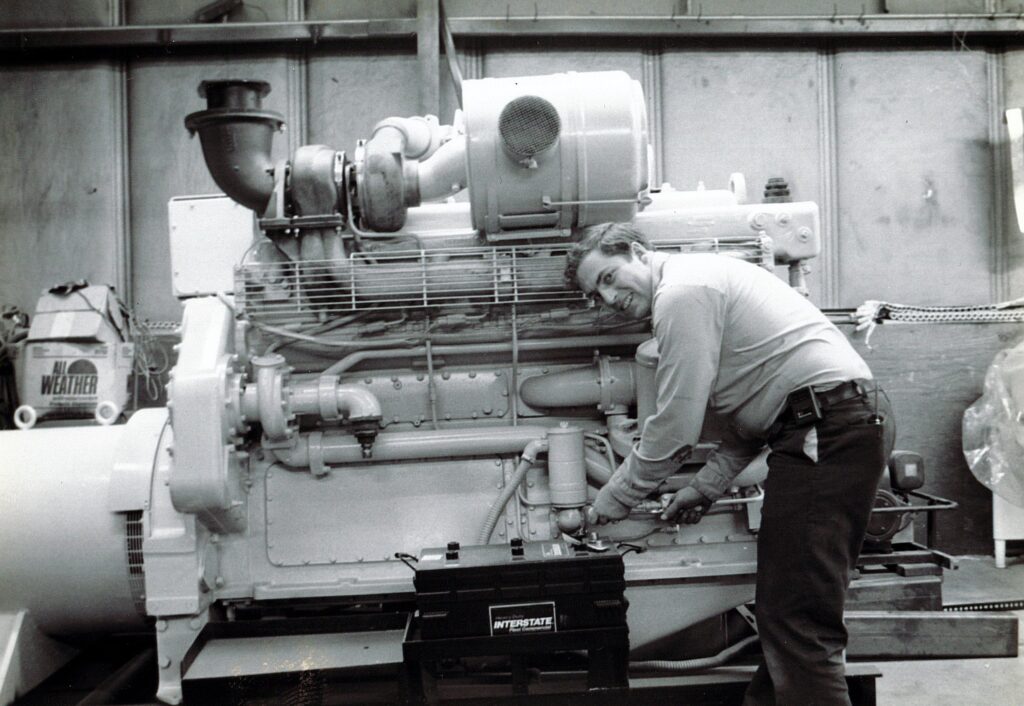
The arrival of digital control systems in the 1990s changed the game. Modern generator controllers began capturing operating data electronically, logging run hours, fault codes, voltage fluctuations, and load history with far greater accuracy than any human could achieve manually. For the first time, a technician could pull up a generator’s complete operational history in minutes rather than digging through years of paper logs.
On-board diagnostic systems could also detect fault conditions and trigger automatic shutdowns before a minor problem became a catastrophic one. A high coolant temperature, a low oil pressure reading, or an overspeed condition would trip an alarm and protect the machine, even at 2 a.m. with no one in the building.
For Weld Power Generator, the digital transition meant a significant investment in training our team to interpret this new layer of information. It wasn’t enough to understand engines; our technicians now needed to be fluent in controller firmware and fault code libraries. We embraced that evolution, and it made us better at our jobs.
The Laboratory Advantage: Fluid and Fuel Analysis (1980s–Present)
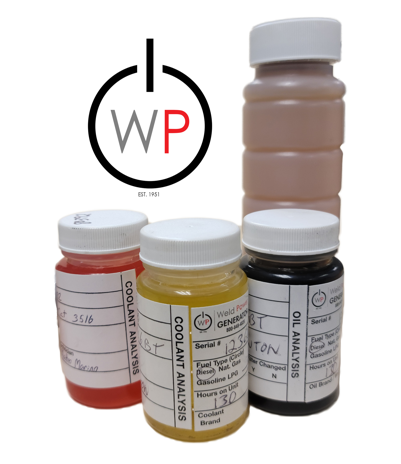
Alongside the evolution of electronic monitoring, a quieter but equally important discipline was taking shape in the industry: laboratory-based fluid analysis. Where digital controllers could tell you what a generator was doing in the moment, fluid sampling told you what was happening inside the machine, at a molecular level.
Oil analysis was among the first of these techniques to gain traction in commercial generator maintenance. By drawing a small sample of engine oil and sending it to a certified laboratory, technicians could receive a detailed breakdown of metal particle content, viscosity, oxidation levels, and the presence of coolant or fuel contamination. Elevated iron particles might indicate abnormal wear on cylinder walls. Traces of coolant in the oil could point to a developing head gasket failure. Fuel dilution might suggest injector issues or extended idling. None of these findings would trigger an alarm on any gauge, but caught early through routine sampling, each one represents an opportunity to intervene before a serious failure occurs.
Coolant analysis followed a similar logic. Generator coolant degrades over time, losing its corrosion inhibitors and becoming increasingly acidic. Without proper maintenance, degraded coolant attacks aluminum components, deposits scale on heat exchanger surfaces, and accelerates wear throughout the cooling system. A laboratory coolant test measures pH levels, freeze point, inhibitor concentration, and the presence of contaminants, giving service teams a precise picture of coolant health and a clear basis for making change or treatment recommendations.
Fuel sampling became especially critical as standby generators became more prevalent in critical facilities. Diesel fuel stored in a tank for months or years is vulnerable to microbial growth, water accumulation, and oxidative degradation, a problem commonly known as “diesel bug.” Contaminated fuel can clog filters, damage injectors, and cause a generator to fail at the worst possible moment: during an actual power outage. Laboratory fuel analysis tests for water content, microbial contamination, particulate levels, and fuel stability, enabling proactive polishing or replacement before compromised fuel ever reaches the engine.
At Weld Power Generator, fluid and fuel sampling programs have been a cornerstone of our comprehensive maintenance approach for decades. We work with certified laboratories to process samples and interpret results, translating complex chemical data into plain-language recommendations our customers can act on. It’s a discipline that exemplifies something we’ve always believed: the best insights don’t always come from a sensor on a circuit board. Sometimes they come from a test tube.
Connectivity Takes Hold: Telematics and Early Remote Monitoring (2000s–2010s)
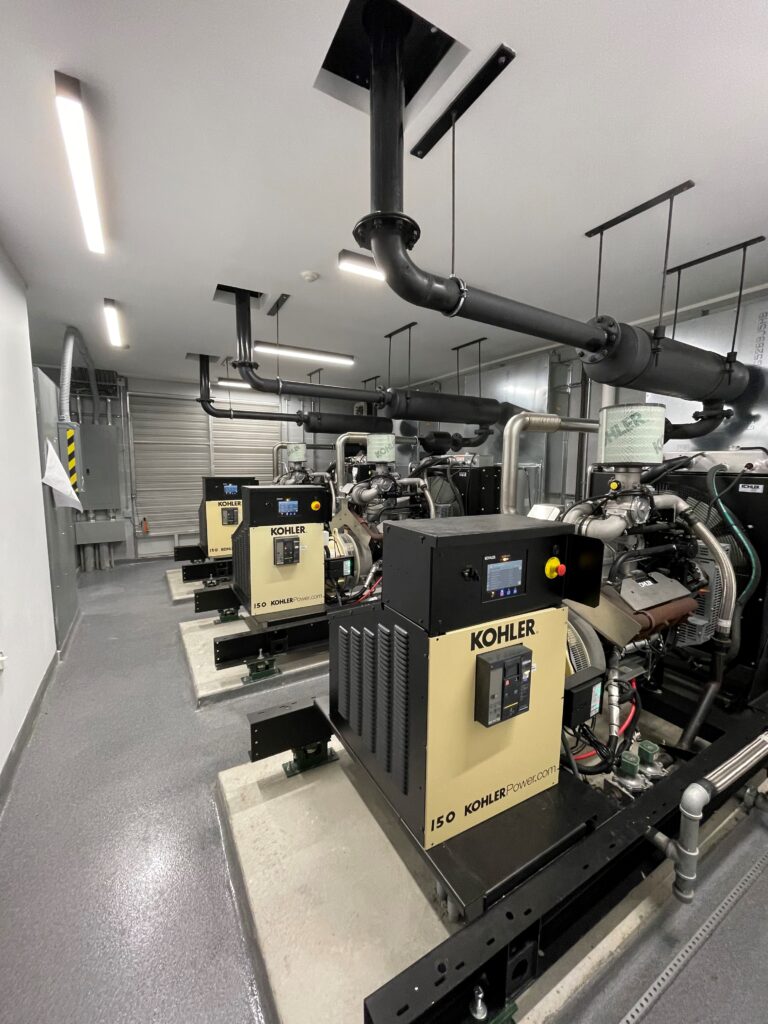
The next leap came when digital data systems gained the ability to communicate. Telematics technology, originally developed for fleet vehicles, found its way into standby and prime power generators, allowing controllers to transmit status updates via cellular, satellite, or Wi-Fi networks to centralized remote monitoring platforms.
Suddenly, a facility manager didn’t need to walk to the generator room to know whether the unit had exercised successfully. A service company didn’t need to dispatch a technician to confirm a fault, they could see exactly what fault code was logged, when it occurred, and what the operating conditions were at the time. Response times dropped. Unnecessary site visits were eliminated. And for the first time, remote monitoring of generators across multiple locations was possible from a single screen.
At Weld Power Generator, we began integrating remote monitoring capabilities into our service offerings during this period, recognizing that our customers’ expectations were shifting. Being available when something went wrong was no longer enough, they wanted assurance before something went wrong.
The Modern Era: Remote Monitoring, Predictive Analytics, and the Connected Generator (2010s–Present)
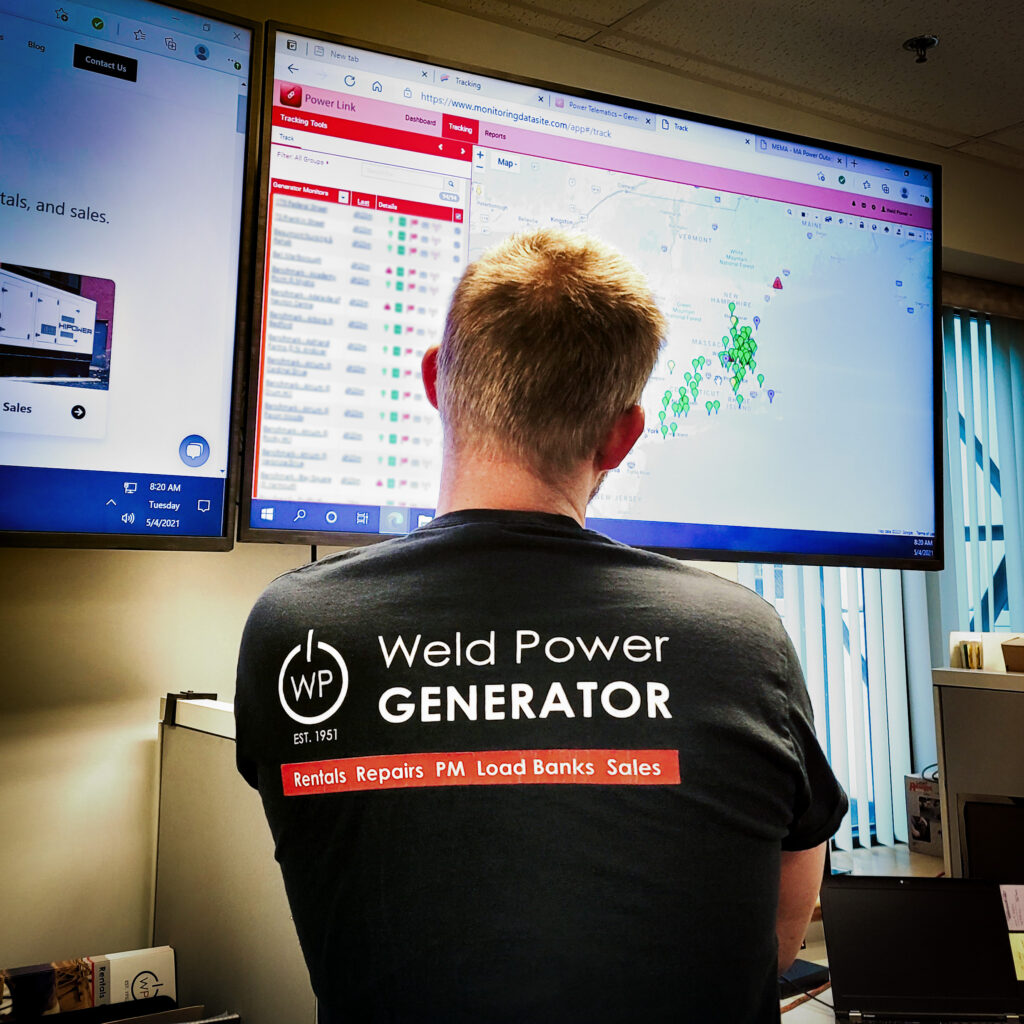
Today, generator oversight has reached a level of sophistication that would have seemed like science fiction to our founders. Modern remote monitoring platforms collect dozens of data points continuously, not just basic operating parameters, but granular telemetry like battery voltage trends, fuel consumption rates, alternator temperature profiles, and transfer switch status. All of it is transmitted in near real-time to cloud-based dashboards accessible from any device, anywhere in the world.
But the real frontier isn’t just data collection, it’s what you do with the data. Predictive analytics algorithms now analyze historical trends and flag anomalies that indicate a developing fault before any traditional alarm threshold is crossed. A slow upward drift in coolant temperature over several weeks might not trigger a high-temp alarm yet, but an intelligent remote monitoring system will notice the trend and alert a service team to investigate. That’s the difference between reactive maintenance, preventive maintenance, and the new gold standard: predictive maintenance.
For our customers, this translates directly into business value. Unplanned downtime is expensive, in lost productivity, in emergency service costs, and sometimes in consequences far more serious than that for critical facilities like hospitals, data centers, and water treatment plants. A generator that is continuously monitored and intelligently analyzed is a generator you can genuinely rely on.
At Weld Power Generator, our remote monitoring capabilities today allow us to be, in a very real sense, always present. We receive alerts when a generator enters a fault condition, when a fuel level drops below a threshold, or when a battery shows signs of weakness. In many cases, we’re calling a customer to discuss a service recommendation before they’ve even noticed a warning light.
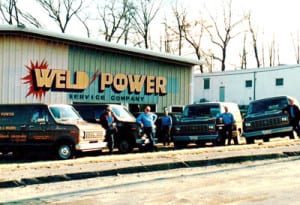
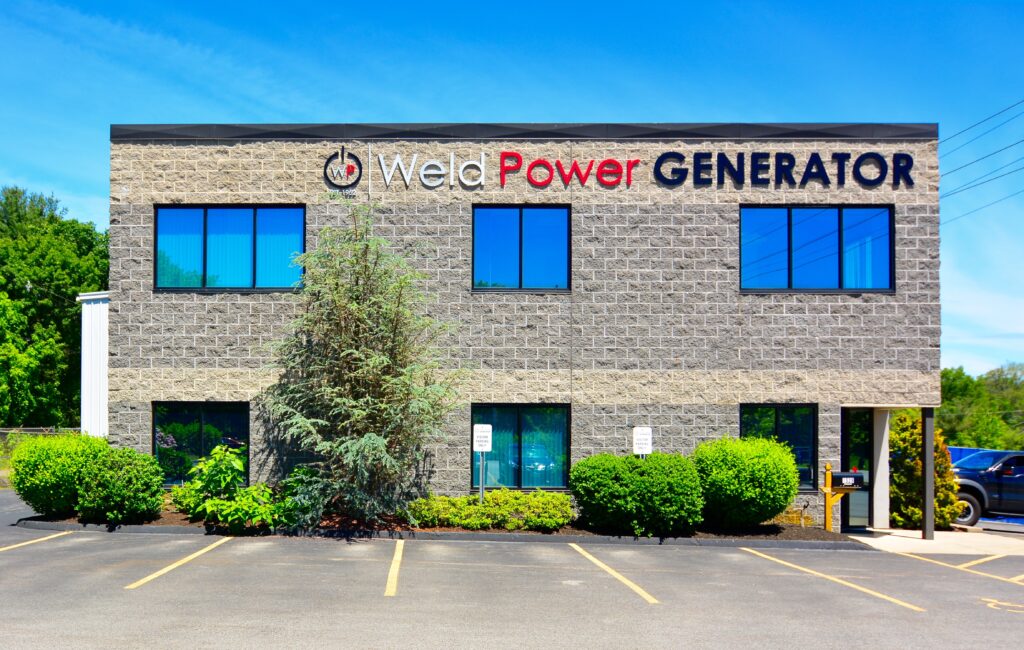
What Hasn’t Changed in 75 Years
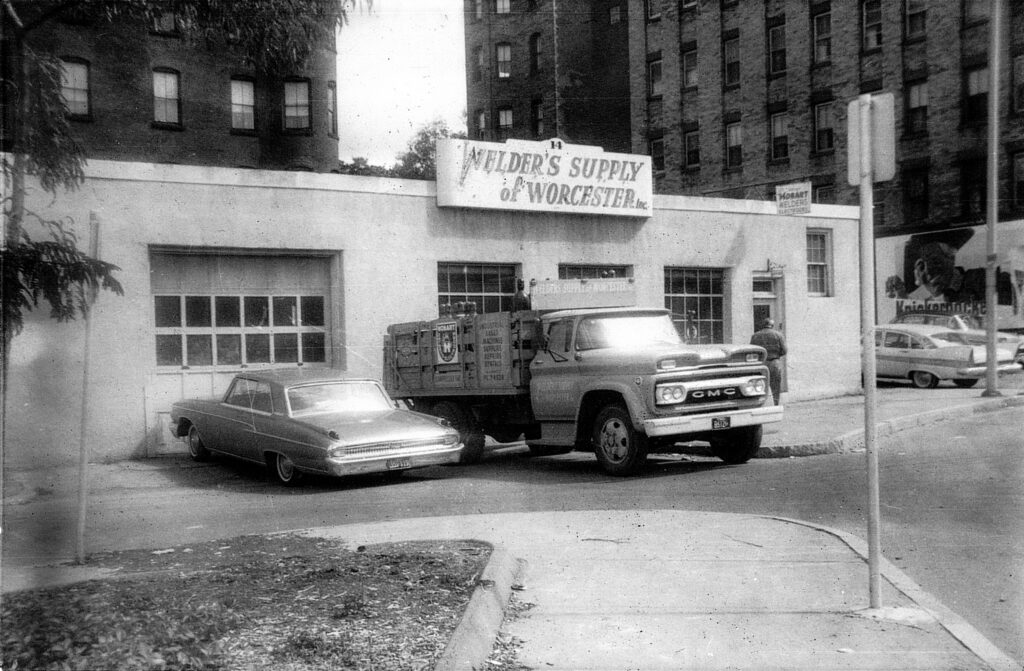
For all the technological transformation we’ve witnessed and participated in, the heart of what we do remains unchanged. Generator oversight, whether it’s a technician with a clipboard in 1955 or an AI-assisted remote monitoring platform in 2025, is fundamentally about trust. Our customers trust that their power will be there when they need it. That trust is earned through diligence, expertise, and a genuine commitment to their success.
The tools have evolved beyond recognition. The mission hasn’t changed at all.
As we look ahead to the next 75 years, we’re excited about what’s coming: deeper integration with building management systems, AI-driven maintenance scheduling, autonomous diagnostics, and grid-interactive capabilities that will redefine what a generator can do. We’ll be at the forefront of all of it, just as we’ve been at the forefront of every chapter that came before.
Here’s to 75 years of keeping the lights on. And to all the years ahead.
Weld Power Generator has been a trusted partner in power generation sales, service, and monitoring since 1950. Contact us to learn more about our remote monitoring programs and how we can help protect your critical power infrastructure.