
Is It Okay to Run a Generator Without a Load?
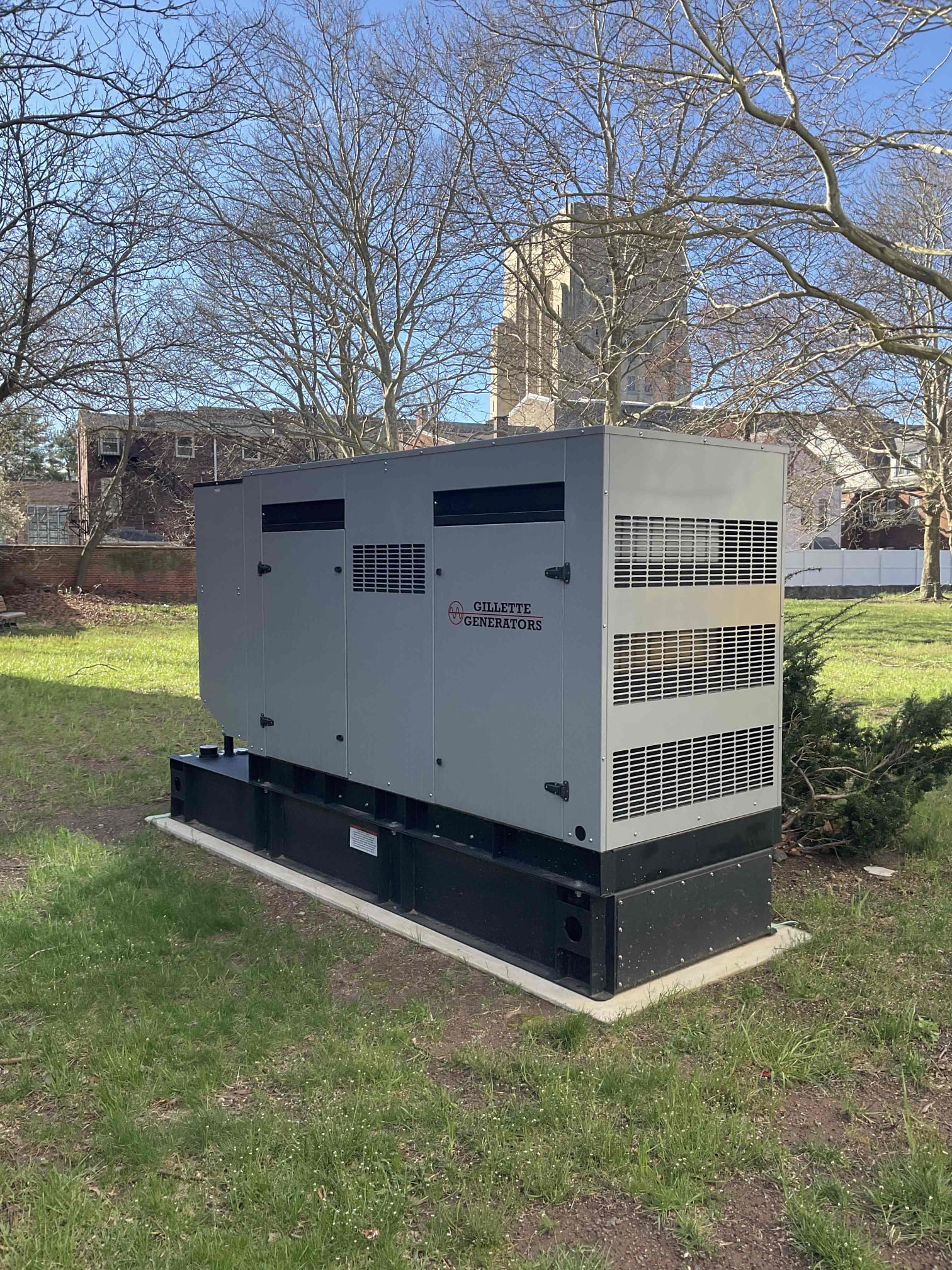
If you’ve ever fired up your generator just to “let it run” or warm it up before connecting equipment, you might want to reconsider that habit. It’s a surprisingly common question among generator owners, and the answer matters more than most people realize.
The short version: yes, you can run a generator without a load, but that doesn’t mean you should, at least not for extended periods. Here’s what you need to know.
Table of Contents
What Happens When a Generator Runs with No Load?
When a generator operates without any electrical load connected, the engine is essentially running at idle with nothing to do. On the surface, this seems harmless. But inside the engine, a problematic process called wet stacking can begin to take hold.
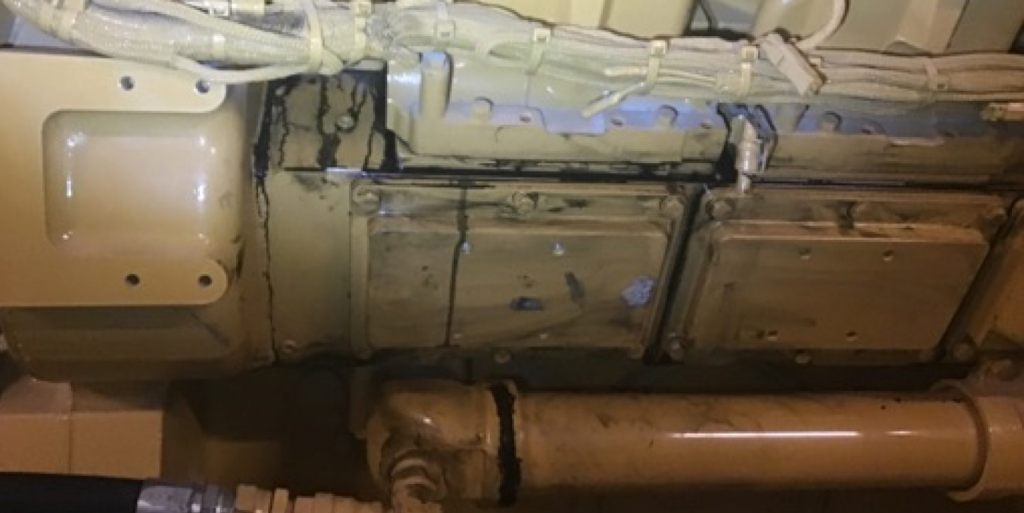
Wet stacking occurs when unburned fuel and carbon deposits build up in the exhaust system and engine components. It happens because diesel engines are designed to operate efficiently under load. Without that resistance, combustion temperatures drop, fuel doesn’t burn completely, and the byproducts (oily, black residue) accumulate in the exhaust manifold, turbocharger, and exhaust pipes.
Over time, wet stacking leads to:
- Reduced engine efficiency — the engine has to work harder to perform at rated capacity
- Increased fuel consumption — you’re burning fuel without getting the output you paid for
- Shortened engine life — carbon buildup causes wear on rings, pistons, and cylinders
- Difficulty reaching full load capacity — a wet-stacked engine may struggle to perform when you actually need it
How Long Is Too Long Without a Load?
There’s no single universal rule, but most generator manufacturers recommend that a diesel generator should not run below 30% of its rated load for extended periods. Running completely unloaded, even for 20 to 30 minutes, can start to cause issues if done regularly.
For standby generators that sit idle most of the time, this is especially important to keep in mind during routine test runs. Simply starting the generator and letting it run without connected equipment has very few benefits.
So What Should You Do Instead?
The good news is that this is an easy problem to avoid with a few smart practices.
Load bank testing is one of the most effective solutions. A load bank is a device that applies an artificial electrical load to your generator, simulating real-world demand. This allows you to run your machine at proper operating temperatures and power levels even when actual equipment isn’t connected. It’s commonly used during commissioning, maintenance checks, and scheduled testing.
Exercise your generator with a load (Building Load Test). Rather than just starting it up and letting it idle, connect real equipment to give it meaningful work to do during test cycles.
Follow a regular maintenance schedule. If your generator does experience wet stacking, a sustained run at high load can sometimes burn off deposits. However, in more severe cases, professional servicing may be required to clean the system properly.
What About Short-Term No-Load Operation?
Not every no-load situation is catastrophic. Starting your generator briefly before connecting equipment, or letting it run for a few minutes to stabilize voltage and frequency, is perfectly fine. The concern is with prolonged, habitual no-load operation, not the occasional warm-up or exercise without load.
For portable generators used on job sites, the impact is generally less severe than with large standby diesel units, but the same principles apply. Running any generator efficiently means giving it the load it’s designed to handle.
The Bottom Line
Generators are workhorses and they perform best when they’re actually doing that job. Routinely running a generator without a load can cost you in repairs, reduced performance, and premature equipment replacement.
Whether you’re running a portable unit on a construction site or managing a large standby system, operating your generator under proper load conditions is one of the simplest ways to protect your investment and ensure reliable power when you need it most.
Have questions about your generator’s performance or maintenance schedule? Our team is here to help, reach out to us today.