
kW and kVA: 1 Formula Explains The Difference Between Them
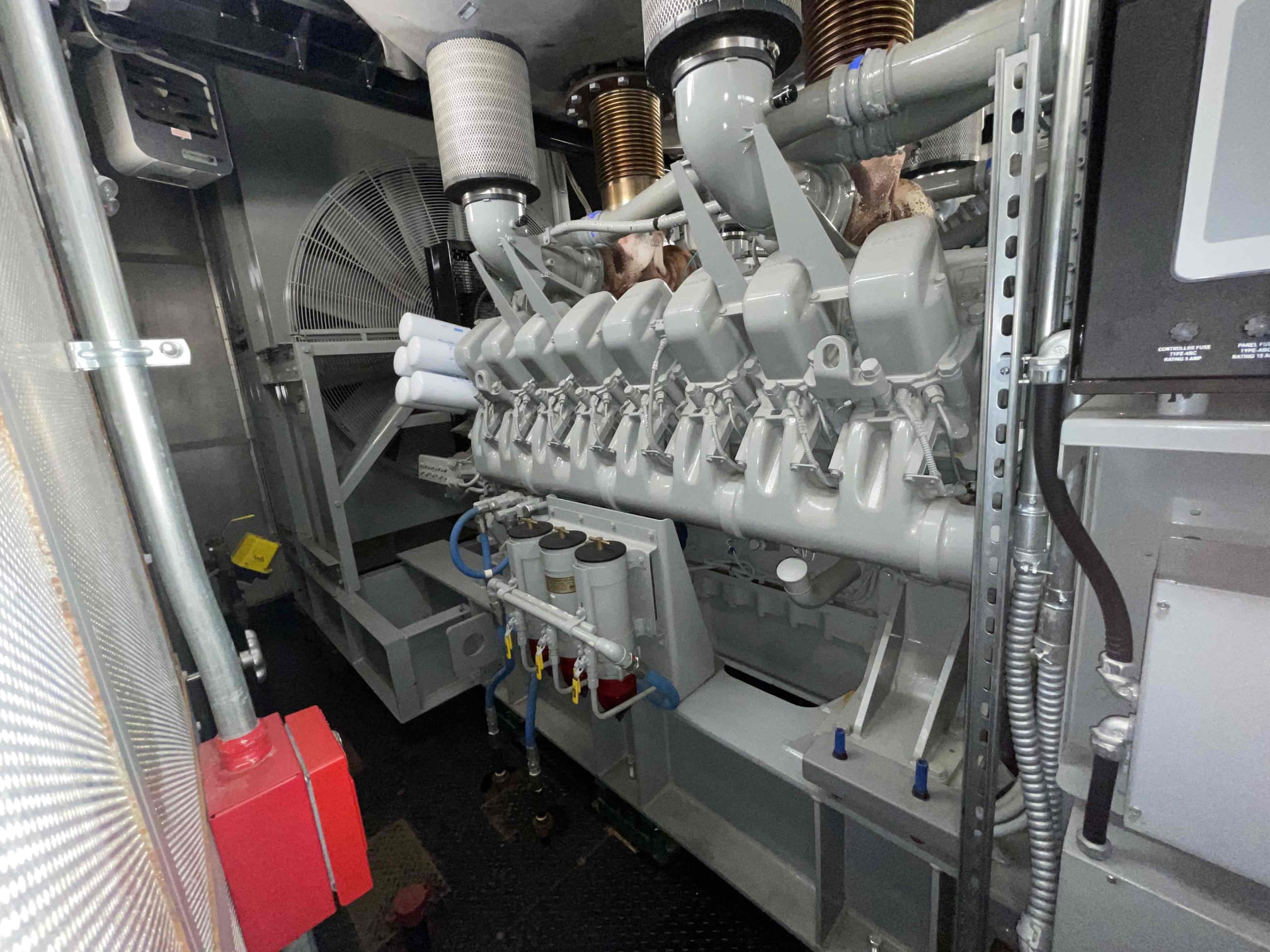
If you’ve ever shopped for a generator, you’ve seen both kW and kVA listed on the spec sheet. Many people assume these are interchangeable, they’re not. Confusing the two can mean purchasing a generator that’s undersized for your actual load, leading to overheating, efficiency loss, or equipment damage. Let’s break it down clearly.
Table of Contents
What is kVA?
kVA (kilovolt-amperes) is a measurement of apparent power, the total power that a generator produces and pushes out into the circuit. Think of it as the generator’s gross output: the full electrical capacity it’s capable of delivering before accounting for any inefficiencies in how that power is used.
Apparent power includes both the energy that does useful work and the energy that gets “wasted” in reactive loads like motors, transformers, and coils. It describes how hard the generator is working, regardless of how efficiently the connected equipment is using that energy.
What is kW?
kW (kilowatts) is a measurement of real power, the actual usable power that gets converted into work. This is the energy that runs your lights, charges your equipment, powers your tools, and gets the job done.
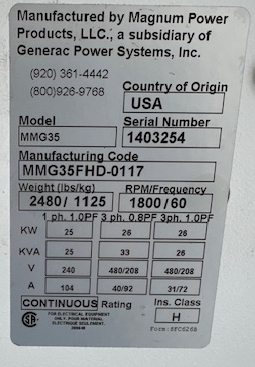
So What is Power Factor?
Power Factor (PF) is the ratio between real power (kW) and apparent power (kVA). It’s expressed as a decimal between 0 and 1, and it tells you how efficiently electrical power is being converted into useful work.
The formula is straightforward:
kW = kVA × Power Factor
A power factor of 1.0 is a perfect scenario, every bit of apparent power is being turned into real, usable energy. In practice, most electrical loads fall short of that ideal. Electric motors, air compressors, welding machines, and HVAC systems all introduce what’s called a reactive load, which pulls the power factor below 1.0. The industry standard assumption is a power factor of 0.8 (80%).
Here’s a practical example: if you have a 100 kVA generator running at the standard 0.8 power factor, your usable real power output is:
100 kVA × 0.8 = 80 kW
That 20 kW gap isn’t exactly lost, it’s reactive power cycling back and forth in the system, but from a practical standpoint, it means your generator has less real output capacity than the top-line kVA figure suggests.
Why This Matters for Your Operation
Understanding the difference between kW and kVA is critical when selecting a generator. Here are the key takeaways:
Don’t size by kVA alone. If your equipment needs 80 kW of real power, an 80 kVA generator won’t cut it. At a power factor of 0.8, that unit only delivers 64 kW of usable power.
Know your load type. Resistive loads like space heaters and incandescent lighting typically have a power factor near 1.0. Inductive loads (motors, compressors, welders) can drag the power factor down to 0.7 or lower.
Account for startup surges. Electric motors can draw 3-6 times their running current on startup, temporarily spiking the apparent power demand well above the rated kVA.
Always share your full load profile with your supplier, including equipment types, motor sizes, and startup requirements, so your generator can be properly sized.
The Simple Rule to Remember
Start with your real power requirement in kW, divide by your expected power factor, and that gives you the kVA rating you need:
kW Required ÷ Power Factor = kVA Needed
For example: if you need 80 kW of real power and your load runs at a 0.8 power factor, you need a 100 kVA generator.
This ensures your generator has enough headroom to handle your actual load without being pushed to its limits.

Contact An Expert
At Weld Power Generator, our team is here to help you make the right call. Whether you’re powering a remote construction site, a large industrial operation, or a critical backup system, getting these fundamentals right means choosing equipment that’s truly built for the job, not just the spec sheet. Reach out to one of our specialists today and we’ll walk through your load requirements together.
Learn More: Power Up Your Vocabulary: 30 Key Generator Terms Everyone Should Know