What to Expect: 9 Phases of a Turnkey Generator Installation
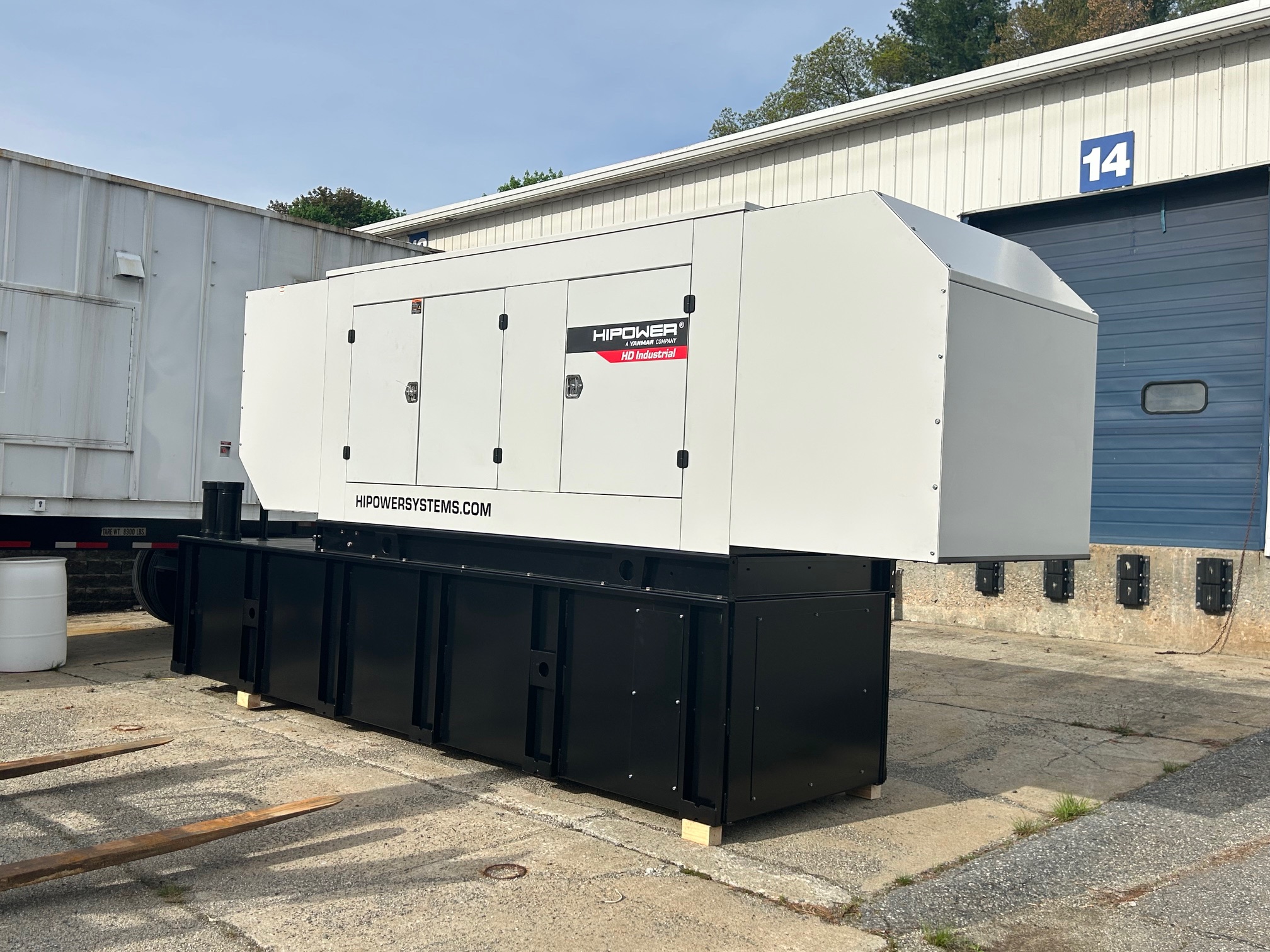
Installing a commercial standby generator is a major infrastructure investment, one that directly impacts business continuity, safety, and regulatory compliance. Understanding the generator installation process is critical.
A turnkey approach streamlines the project by placing responsibility for design, coordination, installation, and commissioning under a single provider. Below is a step-by-step breakdown of what to expect during a commercial generator installation and how a turnkey process reduces risk, delays, and unexpected costs.
Table of Contents
What Is a Turnkey Generator Installation?
A turnkey generator installation means the generator provider manages the entire project from start to finish. Instead of coordinating multiple vendors (engineers, electricians, plumbers, riggers, and inspectors) you work with one point of accountability.
Turnkey generator installs typically include:
- Site evaluation and system design
- Permitting and code compliance
- Equipment procurement
- Electrical, mechanical, and fuel system installation
- Startup, testing, and commissioning
- Documentation and owner training
This approach minimizes scheduling conflicts, scope gaps, and cost overruns.
Step 1: Site Assessment and Load Analysis
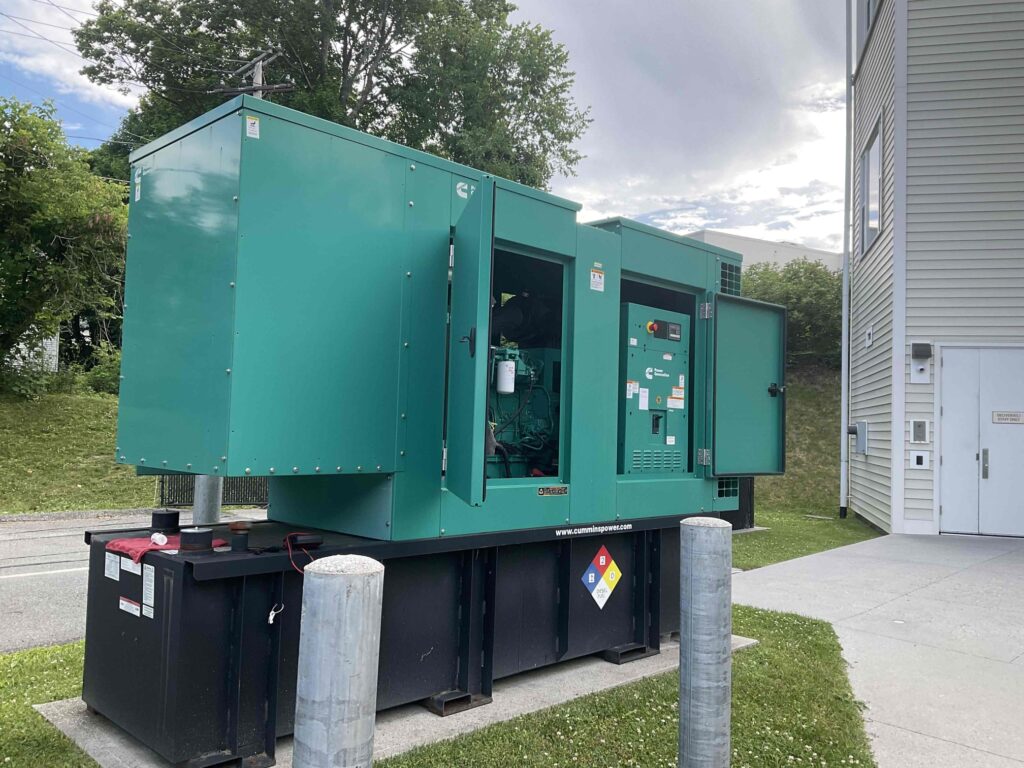
Every successful generator installation begins with a detailed site evaluation.
What happens during this phase:
- Electrical load analysis to determine generator size
- Review of existing switchgear, transfer switches, and distribution
- Evaluation of available space, clearances, and access for rigging
- Assessment of fuel type (diesel, natural gas, propane)
- Review of environmental, sound, and emissions constraints
Accurate load calculations and site conditions ensure the generator is properly sized and compliant with applicable codes.
Step 2: System Design and Engineering
Once site data is collected, the provider develops a complete system design.
This includes:
- Generator and transfer switch selection
- Electrical one-line diagrams
- Fuel system layout and capacity
- Exhaust, ventilation, and cooling design
- Concrete pad or structural requirements
- Remote monitoring and controls integration
A turnkey provider ensures all system components are engineered to work together while meeting NFPA, NEC, and local AHJ requirements.
Step 3: Permitting and Regulatory Compliance
Permitting is often one of the most crucial parts of a generator installation.
Permits may include:
- Electrical permits
- Building and zoning approvals
- Environmental or emissions permits
- Fire marshal review
- Utility coordination
Step 4: Equipment Procurement and Scheduling
Lead times for commercial generators can vary widely based on size, fuel type, and specifications. A turnkey provider coordinates procurement and aligns delivery with site readiness.
During this phase:
- Generator, transfer switch, and accessories are ordered
- Delivery logistics and rigging plans are finalized
- Installation schedules are coordinated across all trades
This ensures equipment arrives when the site is fully prepared, avoiding storage issues or idle labor costs.
Step 5: Site Preparation and Civil Work
Before the generator arrives, the site must be properly prepared.
Typical site work includes:
- Concrete pad or housekeeping pad installation
- Trenching for electrical and fuel lines
- Conduit and grounding infrastructure
- Fuel tank installation (if applicable)
- Site restoration and drainage considerations
Proper site preparation is essential for long-term reliability and code compliance.
Step 6: Generator Installation and Rigging
Once the site is ready, the generator is delivered and set in place.
This phase may involve:
- Crane or forklift rigging
- Equipment alignment and anchoring
- Exhaust and cooling system installation
- Weatherproofing and sound attenuation
Turnkey providers coordinate all rigging and safety planning to minimize operational disruption.


Step 7: Electrical, Mechanical, and Fuel System Integration
This is where the system comes together.
Installation typically includes:
- Electrical connections between generator and transfer switch
- Integration with existing switchgear or distribution panels
- Fuel piping, leak testing, and filtration
- Control wiring and monitoring systems
- Battery chargers and block heaters
A turnkey approach ensures each trade works from the same plan, reducing installation conflicts.
Step 8: Startup, Testing, and Commissioning
Before the system is placed into service, comprehensive testing is performed.
This includes:
- Initial startup and inspection
- Transfer switch testing
- Load bank testing (if required)
- Verification of alarms and shutdowns
- Utility outage simulation
Commissioning confirms the generator will perform as designed during an actual power failure.
Step 9: Training, Documentation, and Ongoing Support
After commissioning, the project is formally turned over to the owner.
You should expect:
- Operator training for facility staff
- As-built drawings and documentation
- Warranty information
- Preventative maintenance recommendations
- Options for remote monitoring and service agreements
Ongoing maintenance is critical to protecting your investment and ensuring long-term reliability.
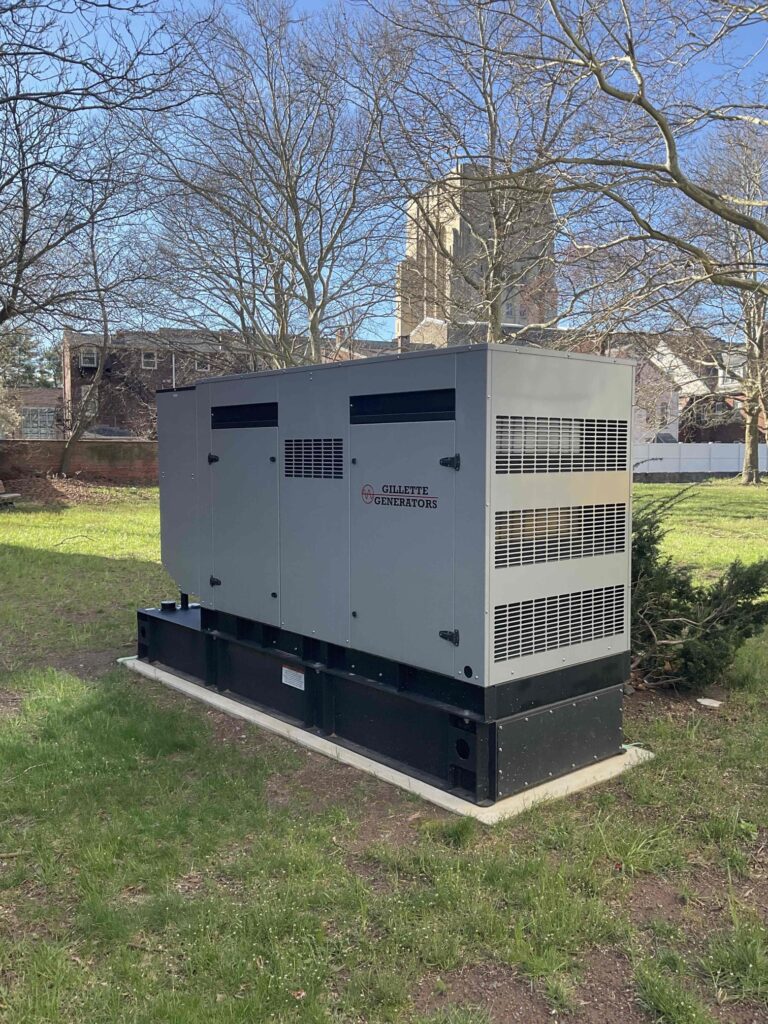
Benefits of a Turnkey Generator Installation
Choosing a turnkey generator installation offers several advantages:
- Single point of accountability
- Reduced project timelines
- Lower risk of scope gaps or change orders
- Better coordination across all trades
- Predictable outcomes and performance
For most facilities, these benefits often outweigh managing the project internally.
Final Thoughts
A commercial generator installation is more than placing equipment on a pad, it is a coordinated infrastructure project that demands experience, planning, and precision. Understanding what to expect in a turnkey generator install process helps facility managers make informed decisions, avoid surprises, and ensure reliable backup power when it matters most.
If you’re planning a new generator installation or replacing an existing system, working with a qualified turnkey provider can significantly reduce risk while delivering a fully integrated, code-compliant solution.